



Stadler Orders 50 Rolls-Royce mtu Engines for Saudi High-Speed Trains
Stadler partners with Rolls-Royce for 50 mtu Series 4000 engines powering 10 high-speed trains reaching 200 km/h on Saudi Arabia's Dammam-Riyadh line.
Updated on August 22, 2025
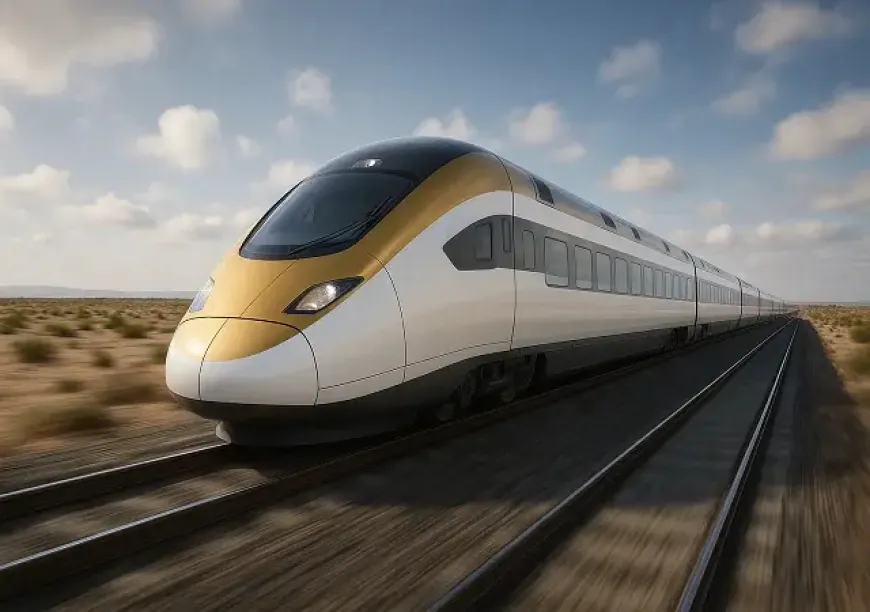
Stadler has ordered 50 mtu Series 4000 engines from Rolls-Royce to power its new high-speed trains destined for Saudi Arabia. This strategic order will transform service on the Dammam-Riyadh route by enabling commercial speeds up to 200 km/h, marking a new milestone in the Saudi kingdom's railway development.
The Power Behind Speed: Rolls-Royce mtu Series 4000 Engines
Strategic Order for Ten High-Performance Trains
Stadler has ordered 50 mtu Series 4000 engines from Rolls-Royce to equip ten high-speed trains. Each trainset will be powered by four mtu 12V 4000 R64 engines, providing the necessary power to achieve target performance on the Saudi network.
This order includes additional units for spare parts and reserve cars, ensuring service availability during maintenance operations. An option for 40 additional engines accompanies this contract, demonstrating the project's expansion ambitions.
Performance Adapted to Saudi Environment
The Series 4000 engines are specifically designed to operate in Saudi Arabia's demanding climatic conditions, including high ambient temperatures and desert dust exposure. This technical robustness provides a major advantage for operational reliability.
Rolls-Royce draws on proven regional experience, having supplied more than 70 similar mtu engines to Saudi Railways since 2012, demonstrating this solution's technological relevance for the local market.
Setting New Standards: Speed, Efficiency and Environmental Compliance
Revolutionizing the Dammam-Riyadh Route
Trains equipped with these engines will enter service on the strategic Dammam-Riyadh line, a vital corridor connecting the capital to the kingdom's eastern petrochemical hub. The 200 km/h commercial speed will significantly transform journey times for passengers and freight transport.
This technical performance positions Saudi Arabia among countries with modern high-speed railway infrastructure, strengthening connectivity between its major economic centers.
Green Technology: EU Stage V Emission Standards Compliance
The mtu propulsion systems meet EU Stage V emission standards, underlining this railway project's environmental commitment. This compliance ensures cleaner rail transport aligned with the most demanding international standards.
Tobias Arnold, commercial project lead at Stadler, confirms this direction: "mtu propulsion technology from Rolls-Royce is a central component in this project. It not only enables high speeds, but also meets the highest standards of environmental compatibility, energy efficiency and operational safety."
Key Takeaways
- 50 mtu Series 4000 engines ordered by Stadler
- 10 high-speed trains for Dammam-Riyadh line
- Maximum commercial speed of 200 km/h
- EU Stage V emission standards compliance
- Option for 40 additional engines
From Drawing Board to Track: Rigorous Testing
Comprehensive Testing Phases for Operational Excellence
Four trains will undergo testing and approval processes in both Europe and Saudi Arabia before entering passenger service. This procedure guarantees reliability and safety in diverse environments, validating technical performance under real operating conditions.
These preliminary tests constitute a crucial step to ensure compliance with international and local railway safety standards, minimizing operational risks during commercial launch.
Stadler's Quality Commitment
Stadler, globally recognized as an innovative rolling stock supplier, strengthens its reputation with this Saudi project. This order illustrates the confidence international railway operators place in the Swiss manufacturer's technical solutions.
Context & Challenges
This strategic collaboration between Stadler and Rolls-Royce combines expertise from a leading train manufacturer with that of a reference engine supplier. This technological synergy demonstrates the European railway industry's capacity to address technical challenges in extreme environments.
The project fits within Saudi Vision 2030 aimed at diversifying the economy and modernizing transport infrastructure. Railway development constitutes a pillar of this transformation, offering a sustainable alternative to road transport.
What Changes for Users
Travelers will benefit from considerably reduced journey times between Dammam and Riyadh thanks to the 200 km/h commercial speed. This improvement will strengthen railway transport's attractiveness compared to other modes of travel.
Modern technology also ensures improved travel comfort with reduced noise and vibration levels, characteristic of high-speed trains equipped with advanced propulsion systems.
Elevating Saudi Railway Infrastructure
This project constitutes a critical step in improving Saudi Arabia's transport capabilities, offering a safe, efficient and environmentally conscious travel option. This initiative establishes a benchmark for modern railway development in geographically demanding regions.
Whats your reaction
 Like
0
Like
0
 Dislike
0
Dislike
0
 Love
0
Love
0
 Funny
0
Funny
0
 Wow
0
Wow
0
 Sad
0
Sad
0
 Angry
0
Angry
0

TrainsNews


Comments (0)