



Rail Yard Modernization: 5 Key Strategies for 2025 Success
Discover the 5 essential strategies for modernizing rail yards in 2025: infrastructure, technology, safety, cargo flow optimization, and collaborative innovation.
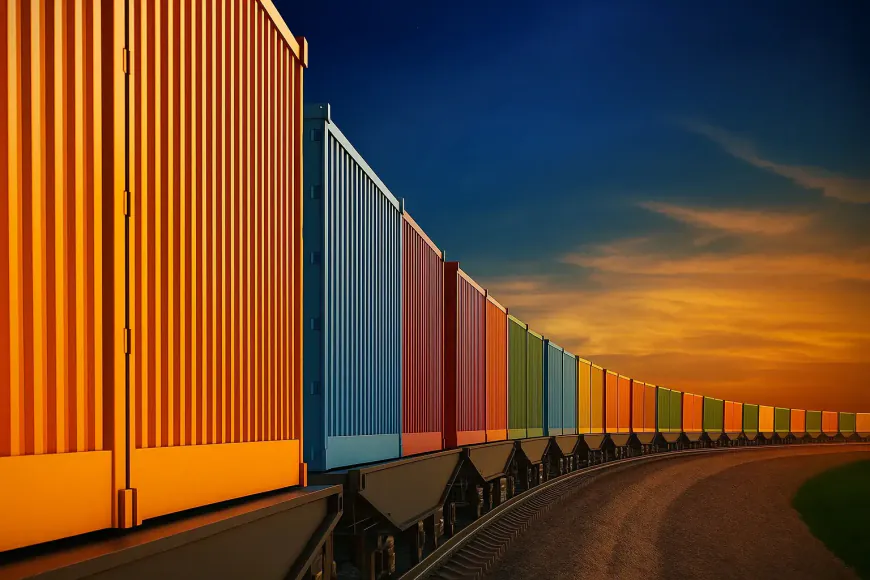
Rail Yard Modernization: 5 Essential Strategies for Transportation Future
Rail yards serve as the "heart of a thriving railway system". These strategic facilities represent the convergence point where cargo and locomotives meet, where crucial decisions are made, and where efficiency directly drives economic growth. In today's context of rapid industrial evolution and increasing global demands, rail yard modernization is no longer an option, but a competitive imperative.
Why modernize rail yards today
Rail infrastructure modernization transcends simple technical improvement. It represents a strategic investment in the future of transportation and logistics. Outdated systems inevitably generate inefficiencies, delays, and excessive operational costs.
The benefits of strategic modernization include:
- Enhanced efficiency: operational optimization and reduced downtime
- Increased capacity: handling larger cargo volumes
- Strengthened sustainability: adoption of innovative eco-friendly technologies
- Consolidated competitiveness: effective response to growing market demands
The rail industry stands at the threshold of unprecedented growth, and modernization constitutes the key to seizing this historic opportunity.
Strategy 1: Basic infrastructure modernization
Infrastructure forms the foundation of any successful modernization. This strategic approach establishes solid foundations for unstoppable progress.
Key elements of modern infrastructure
Priority improvements include efficient track layouts redesigned to increase throughput and reduce congestion. The integration of automated switches allows track direction adjustment without manual intervention, while advanced signaling systems improve coordination and communication for smooth operations.
These improvements don't represent simple additions, but a fundamental transformation of rail yard operations.
Strategy 2: Adoption of cutting-edge technologies
The digital revolution is rewriting the rules for rail yards, enabling faster decisions, smarter systems, and unparalleled reliability.
Essential technological tools
Data analytics enables predictive maintenance, schedule optimization, and real-time performance monitoring. Automated equipment, including autonomous cranes and loaders, ensures precise cargo handling.
IoT sensors revolutionize real-time tracking of transportation conditions, locomotive performance, and overall yard activity. These technologies deliver tangible results and radically transform rail operations.
Strategy 3: Enhanced personnel safety
No modernization is complete without prioritizing team safety. Integrating advanced safety measures demonstrates commitment to creating safer work environments.
Innovative safety technologies
Wearable technologies monitor worker health and signal safety concerns. Improved space layouts ensure safe distances between high-risk zones and operational centers.
Smart alarm systems use artificial intelligence to detect risks and immediately alert teams. A safe workforce is a productive workforce, and modernized yards thrive when their teams flourish.
Strategy 4: Cargo flow optimization
Cargo represents the lifeblood of any rail yard. Optimization aims to create unshakeable links in the supply chain.
Advanced optimization techniques
Dynamic cargo routing leverages artificial intelligence to manage and redirect shipments, reducing delivery times. Improved loading/unloading areas minimize waiting times and maximize throughput.
Real-time tracking provides transparent traceability to clients, strengthening trust and reliability. This streamlined approach positions rail yards at the apex of efficiency and customer satisfaction.
Strategy 5: Strengthened collaborative innovation
Modern rail yards prioritize strategic partnerships with technology providers, logistics partners, and sustainability experts.
Benefits of collaboration
This collaboration enables leadership of projects that redefine industrial potential, resource and innovation sharing to accelerate progress, and staying informed about emerging trends to maintain competitive advantage.
Collectively, these efforts ignite bold transformation and ensure the entire industry progresses harmoniously.
Toward a new standard of rail excellence
The future of rail yards presents boundless opportunities. Modernization exceeds simple maintenance of existing systems; it aims to surpass challenges and create an innovation legacy.
The next generation of rail yards is destined to deliver revolutionary levels of efficiency, growth, and sustainability through adoption of cutting-edge automation technologies, layout improvements, and green initiatives.
Taking action now
Organizations are encouraged to take the first step toward transformation by assessing their yard potential, identifying challenges, and exploring relevant strategies.
Rail yard modernization involves unlocking new possibilities, propelling efficiency, growth, and sustainability to unprecedented heights, and laying the tracks for success in a rapidly evolving industry.
This transformation isn't just about improving existing systems, but defining the future of rail transportation for future generations.
Whats your reaction
 Like
0
Like
0
 Dislike
0
Dislike
0
 Love
0
Love
0
 Funny
0
Funny
0
 Wow
0
Wow
0
 Sad
0
Sad
0
 Angry
0
Angry
0

TrainsNews





Comments (0)