

Transnet claims world's longest train record: 7.6 km, 696 wagons
Transnet Freight Rail ran a 7,602 m train of 696 empty ore wagons on South Africa's Sishen–Saldanha line on 18 October 2026, beating BHP's 2001 record of 7,353 m.
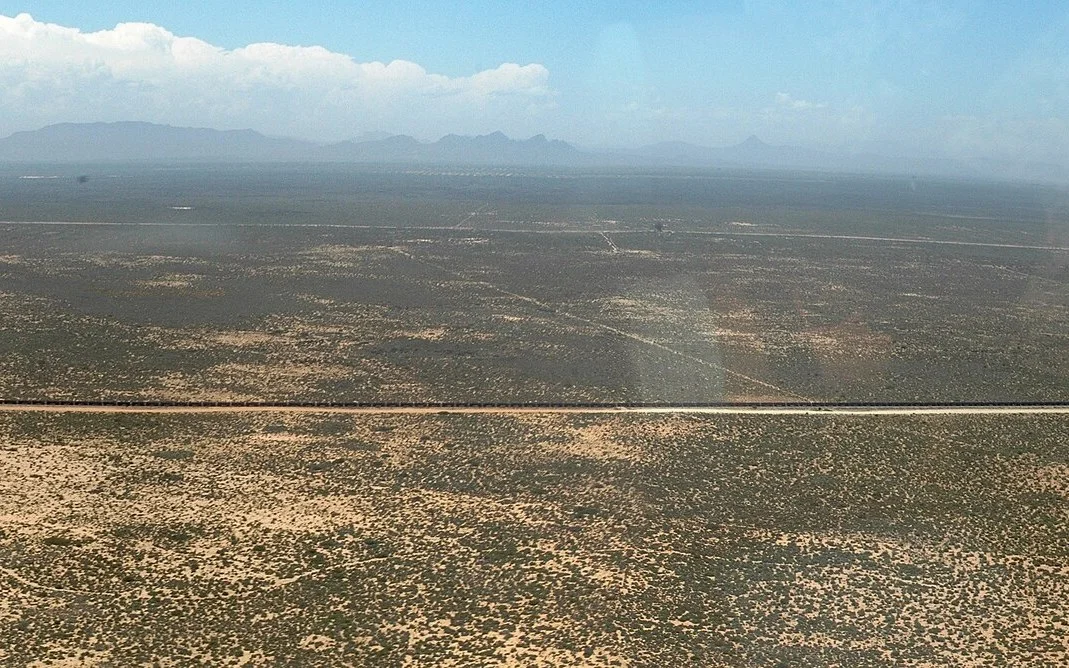
Transnet Freight Rail says it has run the world's longest train: a 7,602 m formation of 696 wagons on South Africa's Sishen–Saldanha iron ore line. The train left the port of Saldanha and reached Loop 18 in the Northern Cape on 18 October 2026, covering 861 km, according to Railway Gazette International and RAILMARKET.
The record train was made up of empty CR13 and CR14 ore wagons, hauled by Class 15E electric and Class 43D diesel-electric locomotives spread along its length. All the units were controlled together by Radio Distributed Power, which shares traction and braking between the locomotives to limit the longitudinal forces that run through a very long train. Transnet has not said how many locomotives were used, nor how long the run took.
The previous record listed by Guinness World Records dates from June 2001, when BHP Iron Ore ran a 7,353 m train of 682 loaded wagons to Port Hedland in Western Australia. Transnet's train is about 250 m longer, with 14 more wagons. Independent certification of the new record has not yet been confirmed.
The run was prepared by Transnet's train design and operations teams with Transnet Engineering, the infrastructure manager TRIM and the Railway Safety Regulator, and followed a maintenance shutdown of the corridor from 6 to 16 October. Data from the trip will be compared with computer simulations. Chief executive Russell Baatjies called the record "a significant achievement", but said its real value lay in the technical knowledge and operational insights gained. We covered the R8.9bn investment plan for the same line in our report on Sishen–Saldanha (in French).
Our analysis
The record matters less than what it tests. On a heavy haul line, longer trains mean more tonnes per path without new track, which is how Sishen–Saldanha can grow its capacity. But length brings its own limits: passing loops must be long enough, braking has to stay synchronised from the first wagon to the last, and the train must be able to restart on a gradient without breaking couplers. Running with empty wagons was the safe first step. The real question is whether Transnet can run loaded trains of this length in daily service.
Sources: Railway Gazette International (21/10/2026); RAILMARKET (20/10/2026).
Photo: Abri le Roux, CC BY-SA 3.0, via Wikimedia Commons
Written with AI assistance from the sources cited, reviewed by the TrainsNews editorial team. Real photo, credited below the image. Spotted an error? contact@trainsnews.com — Our AI policy
Whats your reaction
 Like
0
 Dislike
0
 Love
0
 Funny
0
 Wow
0
 Sad
0
 Angry
0

TrainsNews est un média indépendant et bilingue d'actualité ferroviaire mondiale, publié depuis 2024. La rédaction couvre la grande vitesse, le matériel roulant, l'infrastructure, la signalisation et les télécoms ferroviaires (ERTMS/ETCS, CBTC, FRMCS, GSM-R), l'exploitation, le fret et le financement des projets. Chaque article cite ses sources et donne les chiffres avec leur total. TrainsNews is an independent, bilingual (French/English) news outlet covering the global rail industry since 2024: high-speed rail, rolling stock, infrastructure, signalling and telecoms, operations, freight and project financing. Every article cites its sources.






Comments (0)