


Hanoi Train Street: How Tourism Saves Vietnam's Unique Attraction
Discover how Hanoi Train Street survives through tourism despite closure attempts. A unique railway experience in Vietnam's heart.
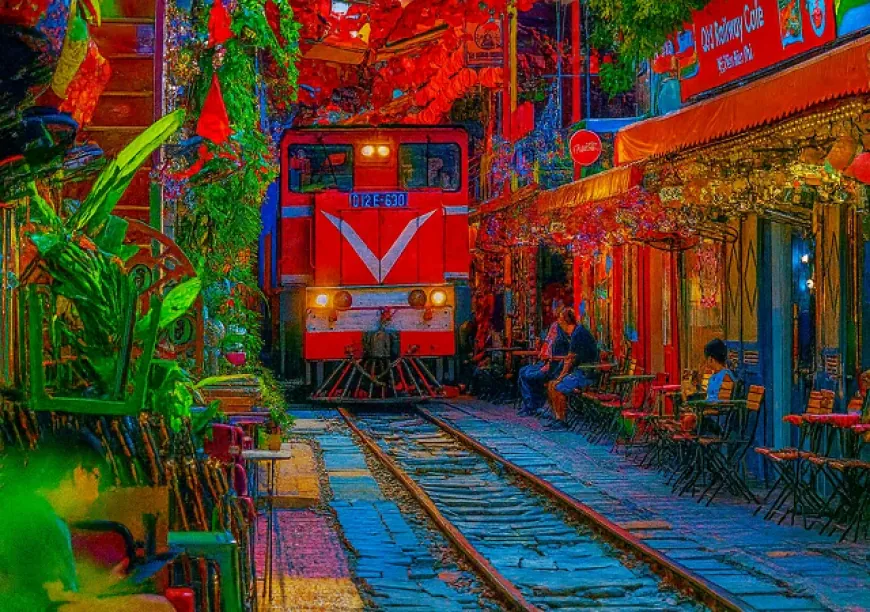
In Hanoi's historic Old Quarter, a narrow street defies all urban planning rules. Every day, century-old trains brush past cafés just centimeters away, creating one of Vietnam's most authentic tourist experiences. Despite repeated closure attempts by authorities, tourism transforms this railway artery into a genuine cultural attraction.
Hanoi Train Street embodies the perfect Vietnamese paradox: colonial railway heritage transformed into a global tourism phenomenon. This unique experience daily attracts hundreds of visitors to the Vietnamese capital's old quarter.
The Unforgettable Train Street Experience
Guaranteed Thrills at 10 km/h
Imagine standing just centimeters away from a century-old train rumbling past your coffee cup. This daily reality of Train Street fascinates tourists worldwide. Each passage of the colonial locomotive, traveling at 10 km/h, triggers a unique adrenaline rush among visitors who capture the moment with smartphones in hand.
Safety and Tourist Supervision
Contrary to misconceptions, the experience remains secure thanks to café employees who actively guide tourists. "It's not dangerous," affirms Maria Morikova, a Slovak visitor, highlighting the strict instructions given to travelers about positioning near the tracks.
The unique atmosphere created by colorful lanterns and "trendy cafés" contributes to an experience that many, like Helena Bizonova, describe as something they "will never experience again in my life." Visitors celebrate this attraction as "the only and unique tourist specialty in Hanoi."
Key Takeaways
- Train traveling at 10 km/h through narrow street in old Hanoi
- Safety supervision by local café owners
- Unique photographic experience attracting international tourists
- French colonial railway heritage dating from the 1900s
- Community resistance to closure attempts
Context & Stakes: Colonial Heritage Transformed
The Indochinese Railway Legacy
Train Street's railway line boasts rich history, constructed by French colonial power in the early 1900s. Its original purpose was transporting goods and people across Indochina, encompassing present-day Laos and Cambodia.
War Scars and Tourism Renaissance
Nearly half a century ago, this very line was partially damaged during the Vietnam War due to American bombings on the communist north. Today, this section belongs to an "increasingly dilapidated" railway system according to sector experts.
What Changes for Users and Local Stakeholders
Economic Neighborhood Transformation
An anonymous café owner testifies to the dramatic area improvement thanks to tourism. The neighborhood, once known for squatting and drug use, has transformed into a "cleaner, more pleasant, and safer corner." He advocates that authorities "should never try to close the streets, but rather take full advantage of them and transform them to promote tourism."
Unique Commercial Opportunity
This narrow stretch of railway track has created a unique commercial opportunity for enterprising baristas, despite belonging to an aging railway system.
The Persistent Debate: Safety Versus Cultural Preservation
Vietnamese Authorities' Position
Authorities have repeatedly attempted to close Train Street's cafés in Hanoi's Old Quarter, citing safety concerns. These legitimate worries contrast with growing tourist enthusiasm.
Cultural Tourism Argument
Despite these attempts, closure seems "unlikely," primarily because social media continues attracting increasing numbers of visitors. Café owners and visitors strongly advocate against closure, defending the street's role in promoting Vietnamese tourism.
Vietnam's Railway Ambitions: Temporal Contrast
Future Vision: Vietnamese High-Speed Rail
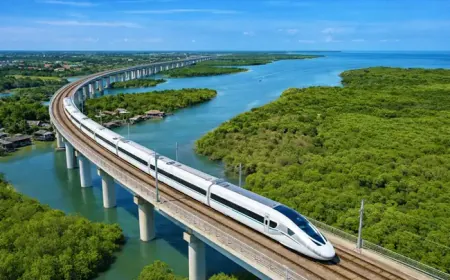
While Hanoi Train Street embodies Vietnam's past charm, the country looks toward the future with ambitious plans for a $67 billion (over €57.3 billion) high-speed railway construction.
Infrastructure Modernization
This proposed high-speed line would connect political capital Hanoi with financial hub Ho Chi Minh City, providing much-needed infrastructure boost and stimulating growth. Meanwhile, Vietnam Railways continues managing "old meter-gauge tracks," an economical but aging system (source: Vietnam Railways, 2025).
Whats your reaction
 Like
0
Like
0
 Dislike
0
Dislike
0
 Love
0
Love
0
 Funny
0
Funny
0
 Wow
0
Wow
0
 Sad
0
Sad
0
 Angry
0
Angry
0

TrainsNews







Comments (0)