

Lokaltog picks Stadler RS Zero battery trains for Nærum line
Danish operator Lokaltog has chosen Stadler to supply four RS Zero battery trains for the 7.8 km Nærum line north of Copenhagen, the type's first European order, due in service in 2031.
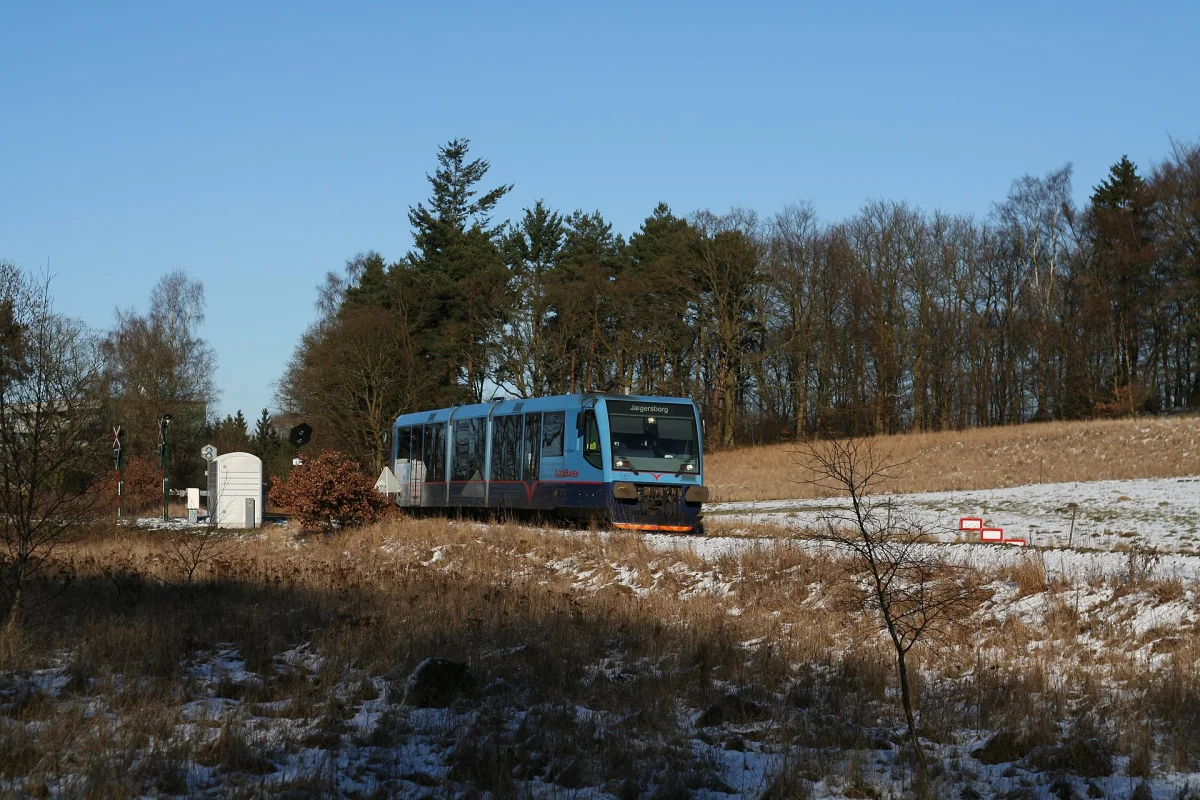
Danish operator Lokaltog has chosen Stadler to supply four RS Zero battery trains for the 7.8 km Nærum line north of Copenhagen. It is the first European order for the RS Zero, with entry into service planned for the first half of 2031.
Stadler announced the selection on 9 November, a month after Lokaltog closed the tender on 6 October. The contract is not yet signed: the regional councils of Region Hovedstaden and the new Region Østdanmark must approve the purchase first, and Lokaltog expects to sign in January or February 2027. Neither side has disclosed the price.
The four trains will replace the four RegioSprinter diesel railcars that have run between Jægersborg and Nærum since 1999. The line has eight stations and carries about 775,000 passengers a year, according to Lokaltog. Stadler will build the trains at its Berlin plant, while the Swiss firm Furrer+Frey will supply the charging and power equipment.
A railcar sized for a small line
The RS Zero is derived from the Regio-Shuttle RS1, a diesel railcar family of which Stadler says around 500 units have been sold. The Nærum line sets tight limits: platforms restrict trains to 38.5 m, and a bridge over the Mølleå river caps axle loads at 16 tonnes, Railway Gazette reports. The new trains will have a 600 mm entrance height, close to the line's 550 mm platforms.
Charging will take place at standstill, through a small DC pantograph, Stadler's deputy group CEO Ansgar Brockmeyer told Railway Gazette. Lokaltog plans charging points at both ends of the line and at the depot. Its 2024 business case put the charging, depot and platform works at DKr147m (€19.7m) including contingencies, and Lokaltog says the winning bid stays within that framework.
Battery traction suits this route better than most. On a 7.8 km line with terminal charging at each end, the batteries only need to cover one short trip at a time, so they can stay small and light, which matters under a 16-tonne axle limit. By comparison, the 24 FLIRT Akku trains Lokaltog has already ordered from Stadler will run on longer lines, Østbanen, Tølløsebanen and Odsherredsbanen, from 2028 to 2029.
Lokaltog expects to save about 800 tonnes of CO₂ a year compared with diesel operation, according to Stadler. Service will also change: the line is due to run every 15 minutes all day, instead of every 10 minutes at peak times and every 20 minutes otherwise.
Two open questions
The first is the power supply. Energinet, Denmark's grid operator, paused new large grid connections in March 2026, and Lokaltog has not confirmed a connection date for the Nærum chargers, according to Railway Gazette. The second is timing. Lokaltog first launched the procurement in 2019, chose battery power in 2021 with a 2025 target, then halted the process in December 2022 because too few suitable designs existed. The RS Zero, unveiled in 2024, filled that gap; only Stadler and Croatia's Končar submitted compliant bids in the new tender.
The trains and their operation will add an average of DKr1.6m (€215,000) a year to the operating contract over a 35-year life, Railway Gazette reports. The next step is the regional vote in December or January, followed by signature in early 2027.
Read also: Alstom's battery-electric trains for Wellington and direct trains from Copenhagen.
Sources: Stadler press release, 9 November 2026; Lokaltog press release, 6 October 2026; Railway Gazette, 10 November 2026.
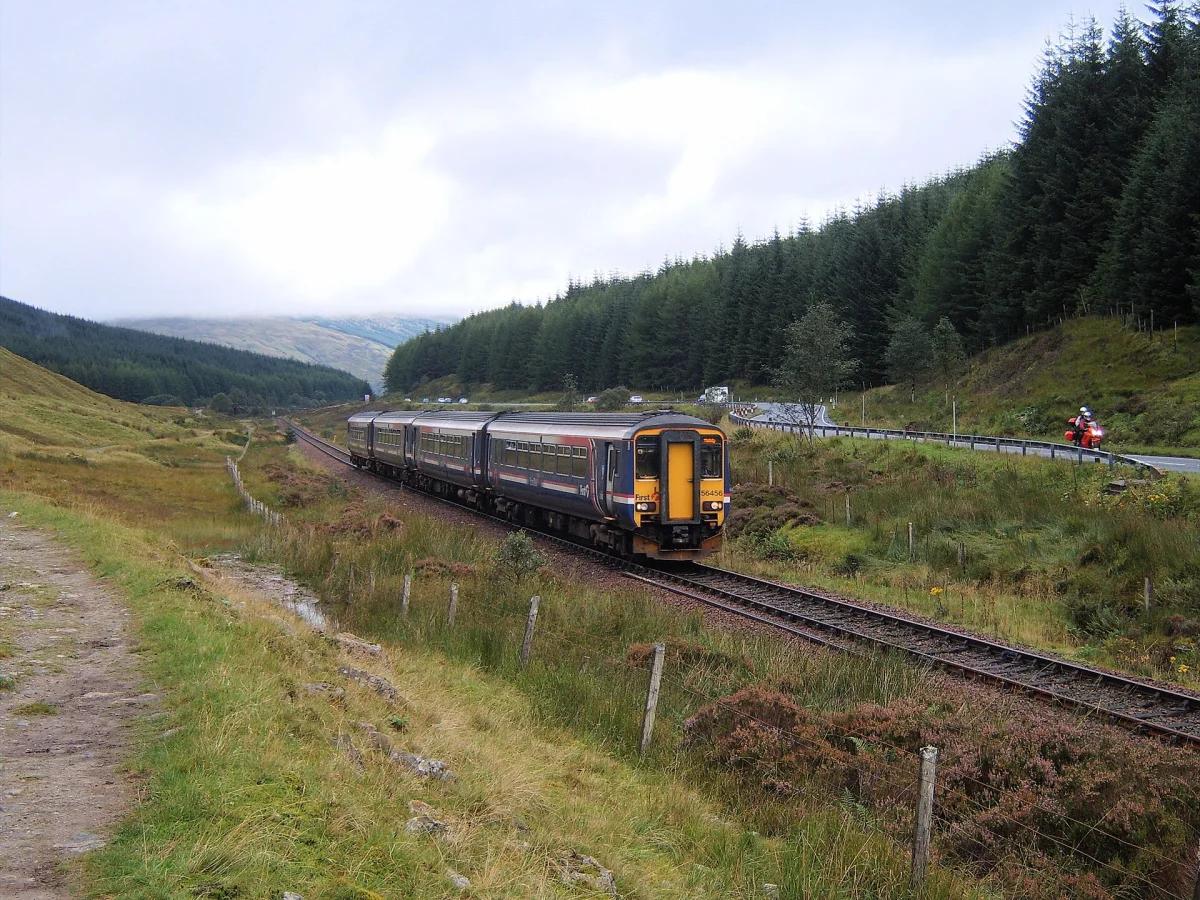
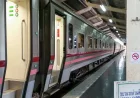
Photo: RegioSprinter Lm 23 heading for Jægersborg, just south of Nærum station, 13 February 2009 — Peter L, Wikimedia Commons, CC BY-SA 3.0.
Article written with the help of artificial intelligence from the sources cited, reviewed by the TrainsNews editorial team before publication.
Whats your reaction
 Like
0
 Dislike
0
 Love
0
 Funny
0
 Wow
0
 Sad
0
 Angry
0

TrainsNews est un média indépendant et bilingue d'actualité ferroviaire mondiale, publié depuis 2024. La rédaction couvre la grande vitesse, le matériel roulant, l'infrastructure, la signalisation et les télécoms ferroviaires (ERTMS/ETCS, CBTC, FRMCS, GSM-R), l'exploitation, le fret et le financement des projets. Chaque article cite ses sources et donne les chiffres avec leur total. TrainsNews is an independent, bilingual (French/English) news outlet covering the global rail industry since 2024: high-speed rail, rolling stock, infrastructure, signalling and telecoms, operations, freight and project financing. Every article cites its sources.
The rail month in one PDF: news and guides summarised, with their photos.
The rail month in one PDF: news and guides summarised, with their photos.

Comments (0)