

Scotland electrifies 140 km of railway in Fife and the Borders with £342 million and 69 new trains
Scotland is spending £342m to electrify 140 km in Fife and the Borders and buy 69 battery-electric trains. Five bidders shortlisted, first trains in 2031.
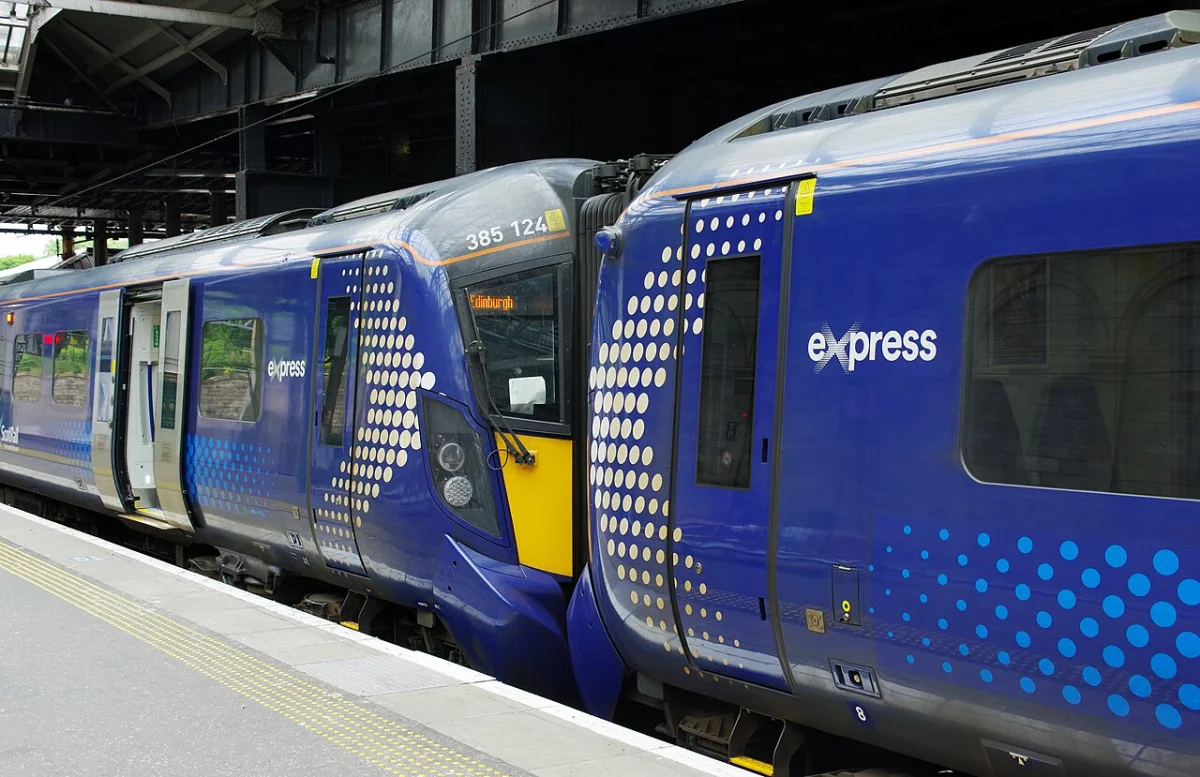
Scotland is electrifying 140 km of railway across Fife and the Borders in a £342 million programme that includes 69 new battery-electric trains, with the first services due in 2031. Transport Secretary Fiona Hyslop confirmed the funding in a written answer to the Scottish Parliament on 5 September 2025, calling it the initial phase of decarbonising Scotland's suburban network.
Network Rail is delivering the infrastructure. In Fife, the works extend existing electrification from the Edinburgh area to Dalmeny, then add isolated electrified sections between Kirkcaldy, Lochgelly and Ladybank, where trains will switch to battery power for the gaps. Part one was completed in January 2026. Parts two and three ran through October 2026, with 18 consecutive days of closures between Inverkeithing and Markinch, according to ScotRail. The Scottish Government's contribution to the Fife scheme stands at £311.5 million.
On the Borders Railway, which reopened in 2015 and has carried more than 13 million passengers, Network Rail is electrifying about 8 of the line's 35 miles in a £26.2 million scheme. Piling began in February 2026 on two sections, Newcraighall to Shawfair and Bowshank Tunnel to Tweedbank, installing foundations for 25 kV overhead equipment. Half the foundations for 350 new structures were complete by mid-2026, according to Rail Magazine. Battery-electric trains will cover the unelectrified stretches, replacing the current diesel fleet on the Edinburgh–Tweedbank route. Completion is due in 2029.
Five builders shortlisted for up to 106 trains
ScotRail launched procurement for its new suburban fleet in November 2025 and reached the invitation-to-negotiate stage with five manufacturers: Alstom, CAF, Hitachi Rail, Siemens Mobility and Stadler. The baseline order is 69 electric and battery-electric trains, with options for 37 more, bringing the potential total to 106. The trains will serve the Borders line, East Kilbride, Fife and the Glasgow inner suburban network, with features including air conditioning, improved accessibility and a smaller platform-to-entrance gap, according to ScotRail.
The procurement has drawn controversy. The drivers' union Aslef has threatened to boycott any trains built by CAF, one of the five shortlisted firms, over the company's involvement in Jerusalem's light rail. The Scottish Government has not publicly responded; removing a shortlisted bidder would carry legal risk and could delay a fleet central to the country's decarbonisation plans.
A wider electrification push, but a slower target
Beyond the Fife and Borders programme, Network Rail launched a preliminary market consultation in February 2026 for a Scotland-wide electrification framework worth an estimated £300 million to £450 million. The contract, expected to run from 2027 to 2032 with a possible extension to 2035, would appoint a single contractor for standardised overhead-line works across future routes, including Aberdeen to the Central Belt and the Highland Main Line.
Scotland's railway is 25 % electrified: 711 km out of 2,776 km of track. The East Kilbride line, where wiring began in 2021, ran its first electric test trains in October 2025, ahead of electric services planned from December 2025. In May 2026, Network Rail announced a £20 million upgrade of the original Glasgow suburban electrification, some sections of which date from 1960.
The overall timetable has, however, slipped. In November 2025, the Scottish Government pushed its target for ending diesel passenger services from 2035 to 2045, citing the scale of the remaining work. Electrification remains the priority for busy intercity and suburban corridors, while battery or hydrogen traction is being considered for rural lines such as the Far North and West Highland routes.
The next milestones are the completion of the Borders electrification in 2029 and the arrival of the first new trains in 2031. Before then, ScotRail expects to have chosen a manufacturer, a decision that will also determine where the trains are built and how much of the contract value stays in the UK supply chain.
Sources: Transport Scotland (05/09/2025); Railway-News (05/09/2025); RailwayPRO (13/02/2026); Rail Magazine (2026); RailAdvent (09/10/2026); Wikipedia, Railway electrification in Scotland.
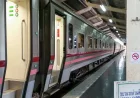
Photo: ScotRail Class 385 electric trains at Edinburgh Waverley. Matt Buck, CC BY-SA 2.0, via Wikimedia Commons.
Article written with AI assistance from the sources cited, reviewed by the TrainsNews editorial team. Credited photo. Found an error? contact@trainsnews.com — Our AI charter
Whats your reaction
 Like
0
 Dislike
0
 Love
0
 Funny
0
 Wow
0
 Sad
0
 Angry
0

TrainsNews est un média indépendant et bilingue d'actualité ferroviaire mondiale, publié depuis 2024. La rédaction couvre la grande vitesse, le matériel roulant, l'infrastructure, la signalisation et les télécoms ferroviaires (ERTMS/ETCS, CBTC, FRMCS, GSM-R), l'exploitation, le fret et le financement des projets. Chaque article cite ses sources et donne les chiffres avec leur total. TrainsNews is an independent, bilingual (French/English) news outlet covering the global rail industry since 2024: high-speed rail, rolling stock, infrastructure, signalling and telecoms, operations, freight and project financing. Every article cites its sources.
The rail month in one PDF: news and guides summarised, with their photos.
The rail month in one PDF: news and guides summarised, with their photos.






Comments (0)