

CrossCountry to add eight Voyager trains from 2027
CrossCountry will bring eight stored Class 221 Voyagers back into service from early 2027 to May 2028, adding almost 60,000 seats a week with the 12 trains added in 2024-25.
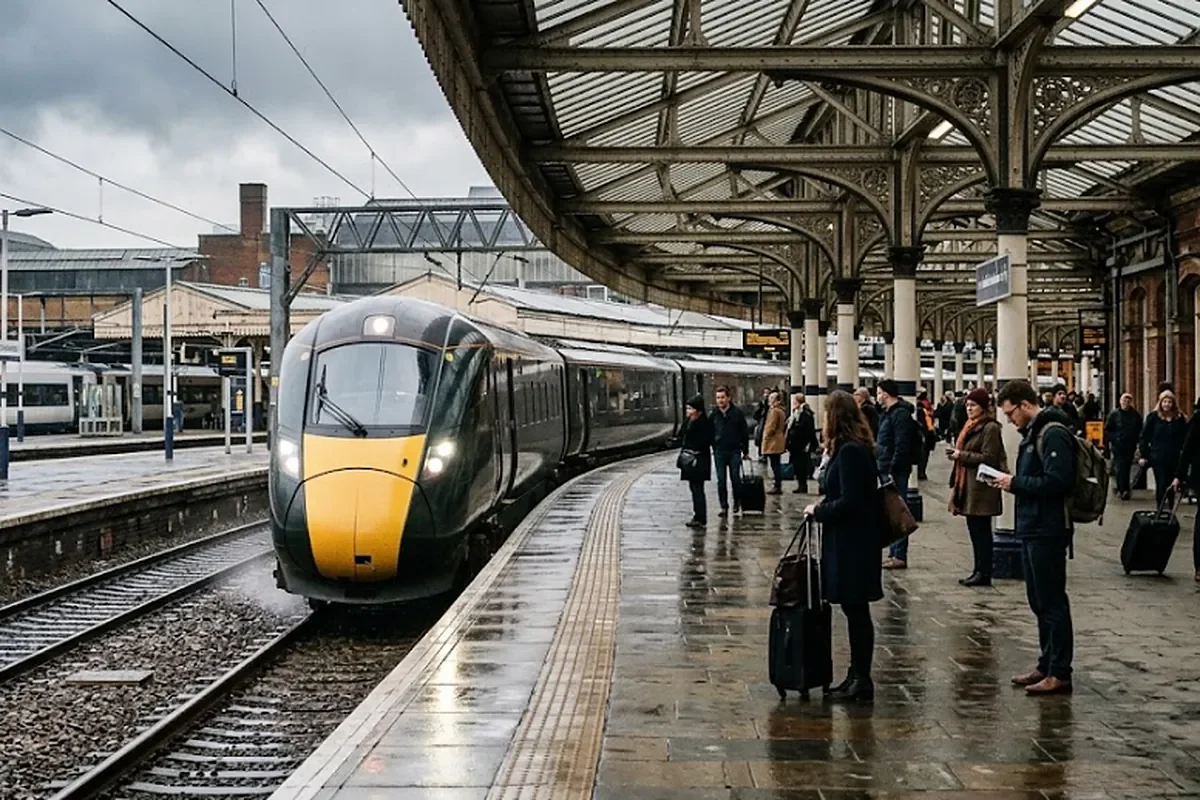
British long-distance operator CrossCountry will add eight more Voyager diesel trains to its fleet, with the first due in service in early 2027 and the last by May 2028. Announced on 12 October 2026, the deal was agreed between CrossCountry, its parent company Arriva, the Department for Transport (DfT) and the train's owner, the rolling stock company Beacon. Together with the 12 trains added in 2024-25, CrossCountry says the extra units will provide almost 60,000 extra seats per week.
Where the trains come from
The eight trains are not new. They are Class 221 "Super Voyager" units already owned by Beacon, which are coming back into use. According to the CrossCountry press release:
- six units (221101 to 221106) were previously leased by Avanti West Coast;
- two units (221142 and 221143) were previously leased by open-access operator Grand Central.
With this deal, all 78 Voyager trains owned by Beacon will be in service with CrossCountry, said Beacon chief executive Adam Cunliffe. Alstom will carry out modification and refurbishment work at its Derby site and will maintain the additional trains, according to Rob Whyte, Alstom's UK managing director. Each train will need detailed work to integrate it with CrossCountry's existing fleet before it can carry passengers.
Routes that will benefit
CrossCountry runs long-distance services from Aberdeen to Penzance and from Stansted to Cardiff. It serves more than 100 stations, runs 240 services each weekday and carries over 42 million passenger journeys a year. The operator says the extra trains will open new journey opportunities and add capacity on routes including:
- Edinburgh – Glasgow;
- Reading – Newcastle;
- Reading – Southampton;
- Manchester – Bournemouth.
At the same time, CrossCountry's Voyager fleet and its regional Turbostar fleet are being refurbished to improve comfort and on-board facilities.
A response to crowding and poor reliability
"Our customers want a railway they can rely on," said CrossCountry managing director Shiona Rolfe. She said the trains would give the operator more flexibility and capacity, help reduce crowding and support future timetable improvements. Rail Minister Lord Hendy said the trains would mean "more seats, less crowding and greater resilience". Amanda Furlong, managing director of Arriva UK Trains, called the deal "great news" for passengers.
CrossCountry has faced criticism over crowded trains and cancellations. According to the BBC, data from the Office of Rail and Road showed its punctuality fell by more than six percentage points between April and June 2026 compared with the same period in 2025.
TrainsNews analysis
This is a fast and low-cost way to add capacity. Ordering and building new trains would take several years, so reusing existing Voyagers is the quickest option while Great British Railways works out its long-term fleet plans. The Voyagers are already approved on the network and use the same driver training and maintenance processes, which cuts risk.
The challenge is in the detail. The ex-Avanti and ex-Grand Central units may differ from CrossCountry's own trains in interior layout and on-board equipment, and the ex-Avanti units have been stored at Derby since Avanti replaced them with new Hitachi trains. Bringing them to a common standard takes depot time at Derby, which explains the 18-month phased introduction. The extra units should also improve fleet availability: with more spare trains, the operator can cover failures and run more services as two coupled units, which is often the main answer to crowding. Real benefits will depend on enough drivers and train crew, and on how the trains are used in the timetable.
Read also: our train travel guides, our train delay compensation calculator and our directory of European rail infrastructure managers.
Sources: CrossCountry press release (12 October 2026); BBC News, via AOL (12 October 2026).
Whats your reaction
 Like
0
Like
0
 Dislike
0
Dislike
0
 Love
0
Love
0
 Funny
0
Funny
0
 Wow
0
Wow
0
 Sad
0
Sad
0
 Angry
0
Angry
0

TrainsNews est un média indépendant et bilingue d'actualité ferroviaire mondiale, publié depuis 2024. La rédaction couvre la grande vitesse, le matériel roulant, l'infrastructure, la signalisation et les télécoms ferroviaires (ERTMS/ETCS, CBTC, FRMCS, GSM-R), l'exploitation, le fret et le financement des projets. Chaque article cite ses sources et donne les chiffres avec leur total. TrainsNews is an independent, bilingual (French/English) news outlet covering the global rail industry since 2024: high-speed rail, rolling stock, infrastructure, signalling and telecoms, operations, freight and project financing. Every article cites its sources.






Comments (0)