



UK Government confirms £92.8 billion rail infrastructure investment plan
The UK government announces historic £92.8 billion transport investment including £10.2 billion for rail enhancements across England and Wales, targeting regional connectivity.
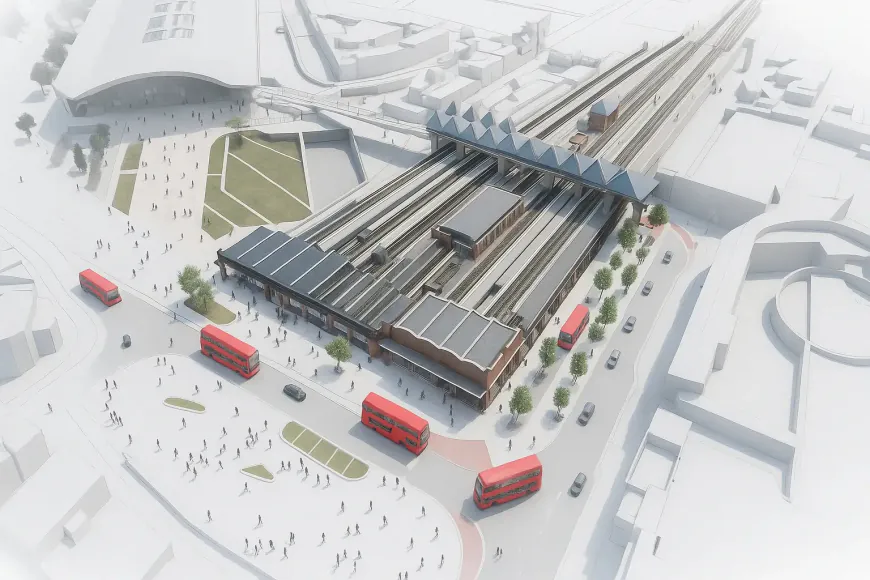
Historic transformation plan for British transport
The UK government has confirmed major rail infrastructure investments as part of its ambitious £92.8 billion "Plan for Change". This transformative initiative represents the "biggest boost to England's transport infrastructure in a generation".
This strategic approach specifically allocates £10.2 billion for rail enhancements across England and Wales, marking a decisive shift in British transport policy toward regional development and connectivity.
Strategic objectives and long-term vision
Territorial rebalancing and regional development
The British rail investments target three primary objectives:
- Improving regional connectivity
- Unlocking housing growth
- Supporting thousands of new jobs
The government's approach deliberately prioritizes improvements outside London and the South East, aiming to "redress decades of underinvestment in regional rail".
Transport Secretary's commitment
Transport Secretary Heidi Alexander affirmed: "We're forging ahead with the vital new transport infrastructure Britain needs, and improving what we've already got, to deliver a new era of renewal and opportunity".
Confirmed strategic rail upgrade projects
Portishead Line reopening
An investment of £27 million will enable the long-anticipated reopening of the railway line between Portishead and Bristol city centre. This connection, closed for over 60 years, will provide hourly service and support major housing development.
This reopening offers North Somerset residents a viable alternative to congested roads, demonstrating the government's commitment to sustainable transport solutions.
New stations in South West and North
South West development
Two new stations are planned at Wellington and Cullompton, designed to:
- Improve access to Exeter
- Support surrounding housing developments
- Open new opportunities for education, employment, and leisure travel
North Yorkshire expansion
The long-delayed Haxby station on the outskirts of York has finally received approval. This new infrastructure will:
- Serve approximately 20,000 residents within 3km
- Improve connectivity to both York and Leeds
- Enhance regional rail accessibility
Midlands Rail Hub: flagship modernization project
Transformative investment for Birmingham
The Midlands Rail Hub has secured significant funding and is identified as a "longstanding priority for regional leaders". This ambitious project represents the "most ambitious rail improvement scheme ever delivered in the region".
Concrete expected benefits
The hub will transform rail services by:
- Enhancing services in and out of Birmingham
- Creating new rail links to over 50 locations
- Increasing train frequency and seating capacity
- Reducing journey times (example: Birmingham-Hereford will save up to 13 minutes)
Construction will generate nearly 13,000 jobs, stimulating the regional economy.
East Coast Main Line modernization
Advanced digital signaling
The East Coast Main Line will receive upgraded digital signaling aimed at:
- Increasing reliability and capacity
- Reducing delays by a third
- Supporting creation of 4,800 skilled jobs across the supply chain
This technological modernization positions the British network at the forefront of global rail innovation.
Other confirmed rail projects in England
West Coast Main Line improvements
Power supply improvements are planned to:
- Enable new electric services
- Prepare the line for passenger and freight traffic growth
- Support Northern's electric fleet rollout
Major station modernization
Leeds Station will receive capacity improvements including:
- A new concourse
- Extended platforms
- A southern entrance for enhanced TransPennine services
Manchester will benefit from improvements at Victoria and Piccadilly, plus a new platform at Salford Crescent.
Massive investments in Wales
£445 million financial commitment
A significant commitment of £445 million has been allocated to Welsh projects, including:
- Cardiff Central station modernization
- South Wales Relief Lines upgrade
- Wrexham-Liverpool line congestion relief
- New Burns station in South Wales
- North Wales Main Line accessibility improvements
Unallocated development funding will also be available for the Wales Rail Board to identify new priorities.
Projects under review and prioritization strategy
Selective approach for maximum impact
The government has prioritized schemes with the highest impact for this funding period. Several projects are currently under review or paused, including:
- York Area Capacity and Performance Project
- Peckham Rye Station Congestion Relief
- Midland Main Line Electrification Phase 3
- South West Rail Resilience Programme (Phase 5)
This strategic approach ensures optimal resource allocation.
Expected economic and social impact
Transforming local communities
These rail investments will transform communities by:
- Creating tens of thousands of jobs
- Stimulating residential development
- Improving access to economic opportunities
- Reducing road congestion
Toward sustainable transport
The British plan aligns with a vision of greener, more connected transport, positioning rail as the backbone of the UK's future mobility.
Regional connectivity revolution
Addressing historical imbalances
This unprecedented investment addresses decades of London-centric transport policy, with regional leaders welcoming the focus on areas traditionally underserved by rail infrastructure.
The emphasis on regional connectivity will help level up economic opportunities across England and Wales, supporting the government's broader leveling-up agenda.
Digital transformation of rail
The integration of digital signaling systems and modern infrastructure represents a technological leap forward, preparing the British rail network for 21st-century demands while creating high-skilled jobs in emerging sectors.
Whats your reaction
 Like
0
Like
0
 Dislike
0
Dislike
0
 Love
0
Love
0
 Funny
0
Funny
0
 Wow
0
Wow
0
 Sad
0
Sad
0
 Angry
0
Angry
0

TrainsNews

Comments (0)