

First Stadler sleeper coaches enter service between Astana and Almaty
Kazakhstan Railways has put its first Stadler CHARME sleeping coaches, built in Astana, into service on the overnight Astana–Almaty train. 100 of 557 coaches have been accepted, with the rest due by 2030.
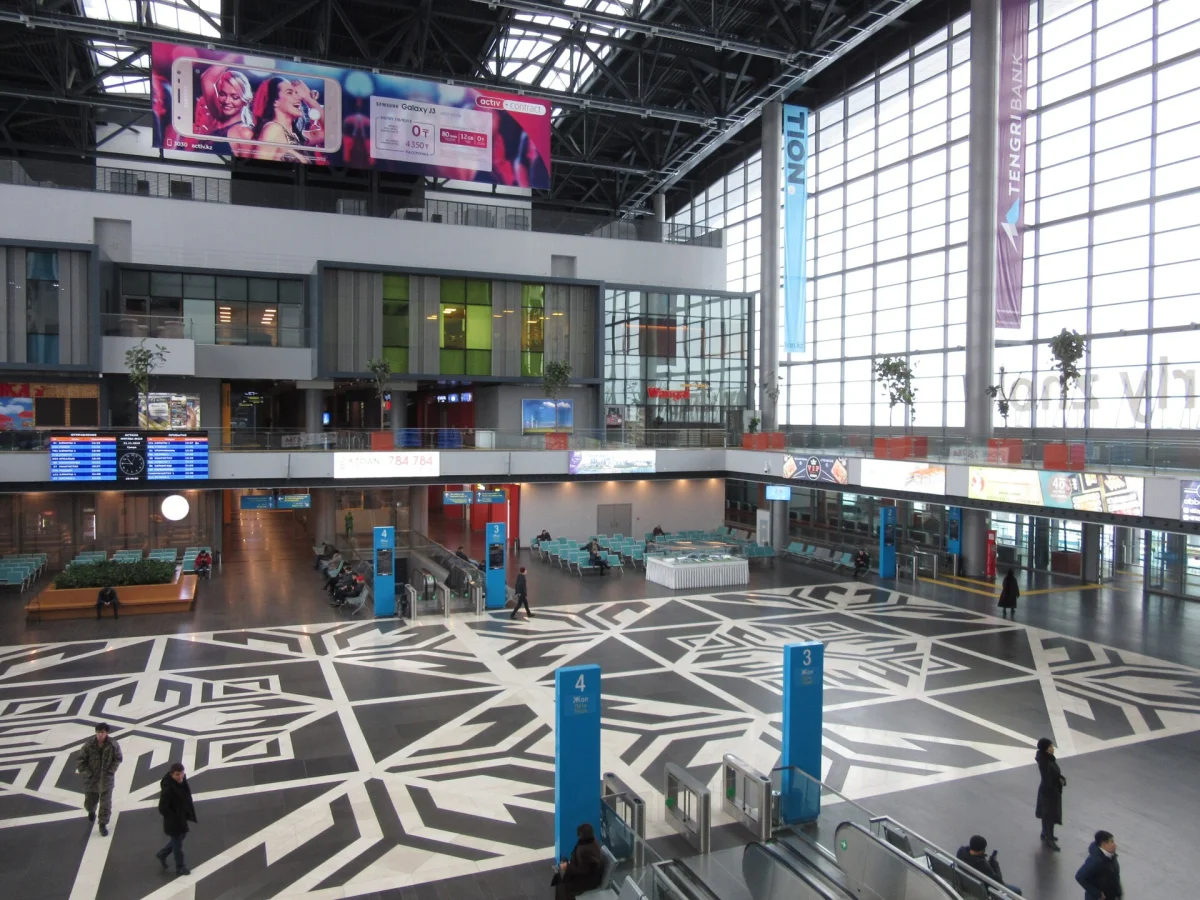
Kazakhstan Railways (KTZ) put its first Stadler-built CHARME sleeping coaches into service on 11 November on the overnight Astana–Almaty train. KTZ has accepted 100 of the 557 coaches on order, and deliveries run to the end of 2030.
The first train left Astana's Nurly Zhol station on 11 November, according to Stadler and KTZ's passenger subsidiary. Train No. 3/4 runs daily, leaving Astana at 13:10 and reaching Almaty-2 at 08:30 the next morning, according to the timetable published by the operator on 5 November. A second route, Astana–Semey, followed on 13 November, running on odd-numbered dates.
The coaches were built at Stadler's plant in Astana. According to Stadler, the fleet includes compartment coaches with 40 beds, open-plan sleeping coaches with 58 beds and coaches with 18 beds, a bistro area and spaces for passengers with reduced mobility. Generator coaches supply power on non-electrified lines, and the vehicles are designed for temperatures from -50°C to +45°C.
The contract with KTZ covers the 557 coaches and 20 years of maintenance. Stadler says KTZ took delivery of more than 100 coaches in October 2026. "Kazakhstan Railways has accepted 100 CHARME sleeping coaches", said Anuar Akhmetzhanov, Deputy Chairman of the Management Board of KTZ, in the Stadler release.
The delivery pace is the main question. KTZ still has about 457 coaches to receive before the end of 2030, which means roughly 110 to 115 a year, against 100 in the plant's first three years of operation. Stadler links that ramp-up to a new workshop: it is investing more than KZT 14 billion (around CHF 25 million) in aluminium car body welding and painting lines in Astana this year, which it describes as the first highly automated facility of its kind in Central Asia.
The plant already handles steel car body welding and painting, bogies, electrical equipment and underfloor components, as well as final assembly and commissioning. Stadler says it employs more than 700 people in Kazakhstan, and the new workshops should add around 100 jobs. The group puts its total investment in the country between 2023 and 2031 at no less than KZT 29.5 billion, or around CHF 53 million.
For passengers, the change is mostly on board rather than in journey times. The overnight run takes 19 hours 20 minutes over a route that Stadler puts at 1,300 km, an average of about 67 km/h. Each compartment has its own lighting and temperature controls, with 220 V sockets, USB and USB-C ports, Wi-Fi and CCTV. Forbes Kazakhstan, citing the operator, gives 56 berths for the open-plan coaches, while Stadler's release gives 58.
Tickets are sold on the KTZ website bilet.railways.kz and at station ticket offices. The operator has not said when the next routes will receive the new coaches.
Read also: Astana LRT: final testing of 19 trains and KTZ’s IPO timeline.
Sources: Stadler media release, 11 November 2026; Forbes Kazakhstan, 5 November 2026; The Astana Times, 12 November 2026.
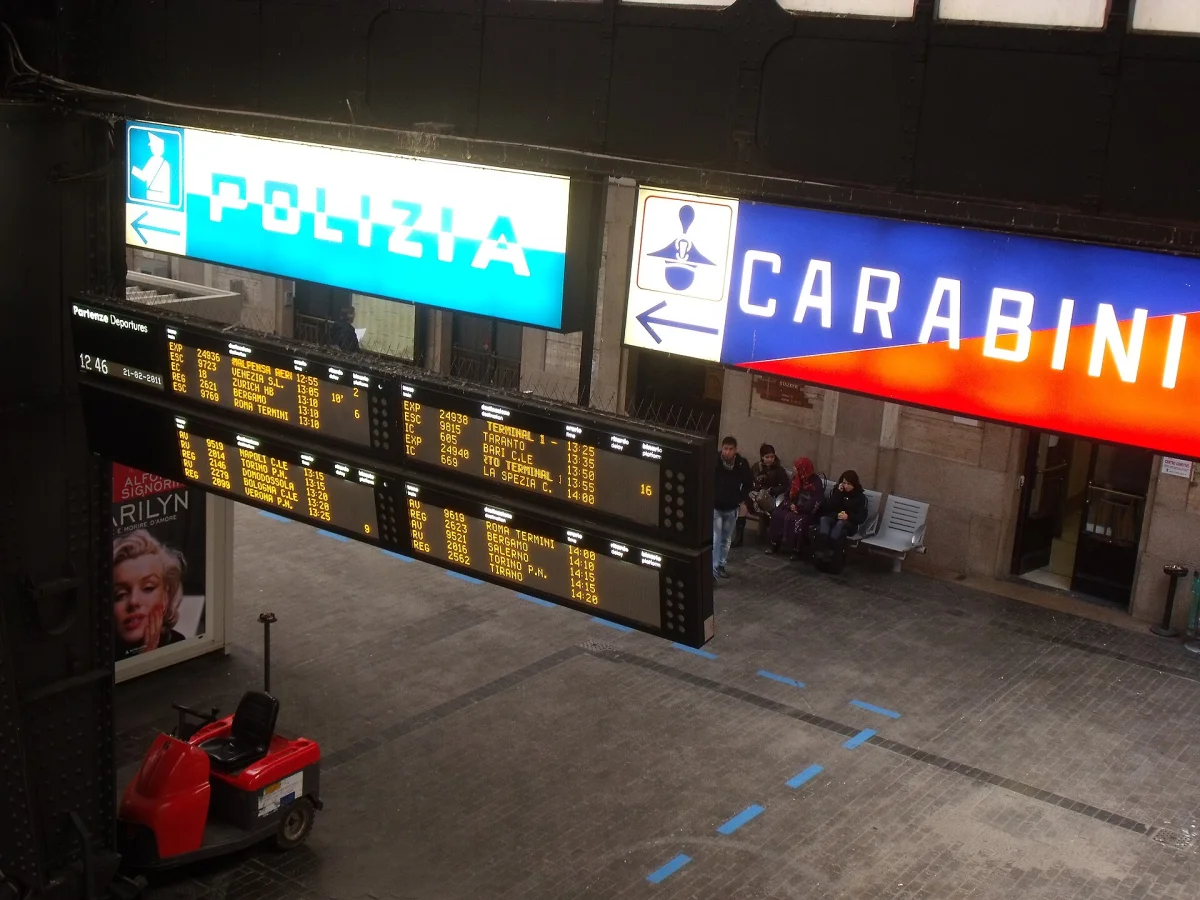
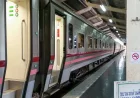
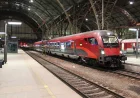
Photo: main hall of Nurly Zhol station, Astana, 21 November 2018 — Randwick, Wikimedia Commons, CC BY-SA 4.0.
Article written with the help of artificial intelligence from the sources cited, reviewed by the TrainsNews editorial team before publication.
Whats your reaction
 Like
0
 Dislike
0
 Love
0
 Funny
0
 Wow
0
 Sad
0
 Angry
0

TrainsNews est un média indépendant et bilingue d'actualité ferroviaire mondiale, publié depuis 2024. La rédaction couvre la grande vitesse, le matériel roulant, l'infrastructure, la signalisation et les télécoms ferroviaires (ERTMS/ETCS, CBTC, FRMCS, GSM-R), l'exploitation, le fret et le financement des projets. Chaque article cite ses sources et donne les chiffres avec leur total. TrainsNews is an independent, bilingual (French/English) news outlet covering the global rail industry since 2024: high-speed rail, rolling stock, infrastructure, signalling and telecoms, operations, freight and project financing. Every article cites its sources.
The rail month in one PDF: news and guides summarised, with their photos.
The rail month in one PDF: news and guides summarised, with their photos.

Comments (0)