


ONCF Secures €202M KfW Loan for Casablanca Rail Upgrade
Morocco's ONCF lands €202M KfW funding to modernize 73km of Casablanca rail lines. Electrification, resignalling planned ahead of 2030 World Cup.
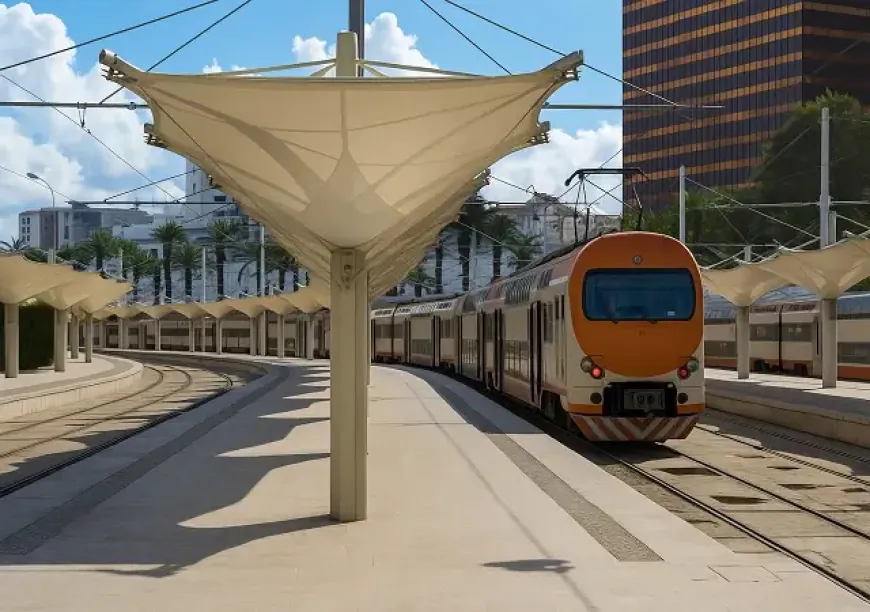
Morocco's National Railways lands major German development bank funding to transform Greater Casablanca urban mobility ahead of 2030 World Cup.
Updated on August 22, 2025
Morocco's National Railways (ONCF) has secured a €202 million loan from German development bank KfW to modernize the railway network in Greater Casablanca. This substantial funding package forms part of Morocco's strategy to decarbonize urban transport systems and prepare for co-hosting the FIFA World Cup 2030.
Strategic Funding Objectives
The KfW loan targets two primary goals: improving access to employment and essential services by strengthening public transport in Casablanca, and enhancing capacity on ONCF's network in the country's economic hub.
This announcement follows the World Bank's approval of a $350 million loan in June, specifically supporting the Inter-Metropolitan Improvement Programme (SIR) to upgrade suburban lines in Casablanca.
Technical Project Scope
Target Lines and Extensions
The KfW-funded project will upgrade approximately 73 kilometers of existing lines, incorporating major technical enhancements including electrification and resignalling. The upgrades extend from central Casablanca to Zenata and Mohammedia in the east, plus lines running towards Nouaceur and Bouskoura in the south.
Deployed Technologies
- Complete electrification of targeted sections
- Signaling system upgrades
- Existing infrastructure reinforcement
- Enhanced transport capacity
Key Takeaways
- €202 million KfW funding confirmed
- 73 km of modernized lines with electrification
- Extended service to Zenata, Mohammedia, Nouaceur and Bouskoura
- Complementary to World Bank's $350M investment
- Target: FIFA World Cup 2030
Context & Challenges
This railway modernization forms part of Morocco's broader urban transport transformation strategy. Greater Casablanca, the kingdom's economic powerhouse, concentrates nearly 30% of national GDP and requires transport infrastructure adapted to its demographic and economic growth.
ONCF positions rail as the cornerstone of its decarbonization strategy, aligning with Morocco's climate commitments. This multimodal approach aims to reduce automobile dependency and greenhouse gas emissions in the Casablanca metropolitan area.
What Changes for Passengers
Greater Casablanca travelers will benefit from enhanced railway service with reduced journey times through electrification. The extension to Zenata, a developing new city, and strengthened connections to Mohammedia will significantly improve regional connectivity.
Increased capacity will accommodate growing public transport demand, particularly crucial as Morocco prepares to host major international events.
2030 World Cup Preparations
Morocco is accelerating railway projects ahead of co-hosting FIFA World Cup 2030 with Spain and Portugal. Several high-speed line projects are under development to complement the existing network and meet international hosting standards.
This Casablanca modernization represents a crucial link in this national strategy, positioning rail as a driver of sustainable mobility and territorial attractiveness.
Whats your reaction
 Like
0
Like
0
 Dislike
0
Dislike
0
 Love
0
Love
0
 Funny
0
Funny
0
 Wow
0
Wow
0
 Sad
0
Sad
0
 Angry
0
Angry
0

TrainsNews



Comments (0)