



Egypt Phase 4 High-Speed Rail: $3B Chinese Financing
Egypt develops 250km high-speed rail line funded by China, connecting Port Said to Abu Qir with innovative repayment model through land development revenues.
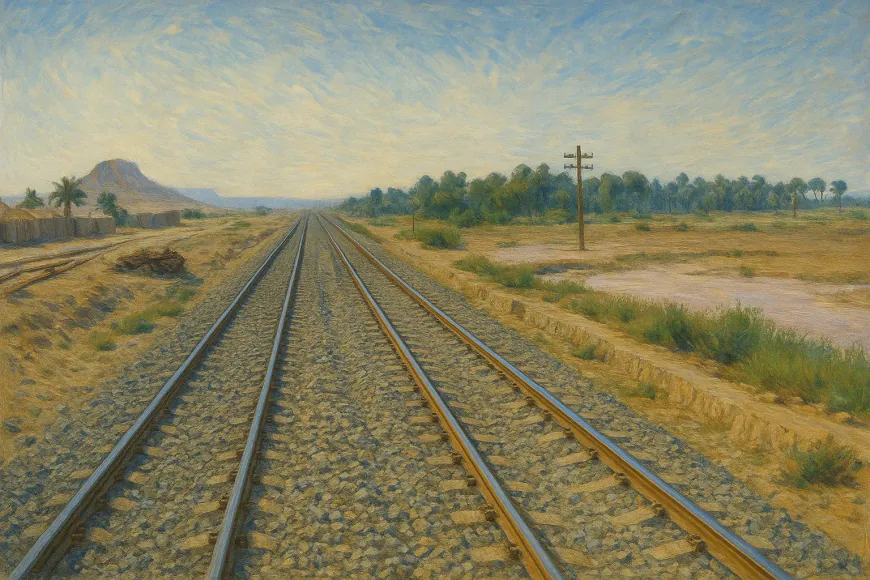
A Major Infrastructure Project for Egypt
Egypt takes a decisive step in its transport modernization with the launch of the fourth phase of its high-speed rail program. This new 250-kilometer line will connect the strategic port cities of Port Said to Abu Qir, marking a turning point in the country's transport infrastructure.
The project is part of an ambitious national infrastructure development strategy, positioning Egypt as a major regional logistics hub. The line will follow a coastal route along the Mediterranean, passing through key economic zones.
Chinese Financing and Strategic Partnership
A $3 Billion USD Loan
The financing of this major project relies on a substantial loan of $3 billion USD granted by several Chinese banks. This capital injection illustrates China's growing role as a preferred financial partner in major Egyptian infrastructure projects.
The DDC Alliance, a consortium of Egyptian construction companies, has secured the necessary guarantees for this loan. This alliance brings together major industry players: the El Didi group, Gama Construction, and Concord.
Approval and Technical Studies
The DDC Alliance received preliminary approval after submitting comprehensive technical and financial studies. This initial validation demonstrates the project's viability and the strength of the partners involved.
Strategic Route and Regional Connectivity
The new railway line will follow a strategic coastal path, serving West Port Said, Damietta, and New Abu Qir. This Mediterranean route offers considerable advantages in terms of economic connectivity and regional accessibility.
With 14 stations planned along the route, the project will significantly improve accessibility for local populations and businesses. This modern infrastructure will facilitate commercial exchanges and strengthen the economic attractiveness of the coastal region.
Implementation Timeline and Institutional Framework
4-Year Completion Target
The project displays significant temporal ambitions with a completion target set at four years after construction begins. This deadline reflects the Egyptian authorities' desire to accelerate transport infrastructure modernization.
The Ministry of Transport plays a central role in this project, leading negotiations for acquiring necessary land along the route. A Memorandum of Understanding (MoU) has been signed with the DDC Alliance, establishing the formal development framework for the project.
Timeline Finalization
A detailed project delivery timeline is expected to be finalized by the end of the current year. This planning depends on completing additional financial and economic studies, illustrating a methodical approach to implementation.
Innovative Financial Strategy and Repayment Mechanism
Land Acquisition for Repayment
The most innovative aspect of this project lies in its unique financing strategy. The DDC Alliance is negotiating the acquisition of a significant area of 60,704 hectares of sites located along the new line's route.
This revolutionary approach directly links real estate development to infrastructure loan repayment. Revenues generated from developing these acquired sites are earmarked to help repay the substantial loans.
Cost Recovery Goal
The alliance aims for an ambitious goal of recovering the entire construction costs within a 10-year period. This recovery strategy primarily relies on revenues generated by commercial facilities at stations and related projects developed on the acquired land.
This approach emphasizes the commercial viability and long-term sustainability planned for the high-speed rail line, creating an integrated and self-sufficient economic model.
Whats your reaction
 Like
0
Like
0
 Dislike
0
Dislike
0
 Love
0
Love
0
 Funny
0
Funny
0
 Wow
0
Wow
0
 Sad
0
Sad
0
 Angry
0
Angry
0

TrainsNews




Comments (0)