


Al-Ula Tramway: Saudi Arabia Unveils the Middle East's
Al-Ula tramway revolutionizes Saudi transport with 22.4km line, 17 stations, and 20 trams. Discover this $15 billion USD project transforming world heritage site.

Al-Ula, World Heritage Jewel, Receives Revolutionary Transport Infrastructure
Saudi Arabia reaches a historic milestone in its economic transformation with the Al-Ula tramway project, one of the region's most ambitious transport undertakings. This megaproject, integrated into the Vision 2030 plan, perfectly illustrates the Kingdom's economic diversification strategy, positioning Al-Ula as a world-class tourist destination. The Royal Commission for Al-Ula (RCU) has just reached a decisive milestone by requesting companies to submit their final bids for this exceptional infrastructure contract. This initiative is part of a comprehensive SR 57 billion (USD 15 billion) investment aimed at completely regenerating this historic region.
Al-Ula Tramway Technical Specifications: An International-Scale Project
First Phase Characteristics
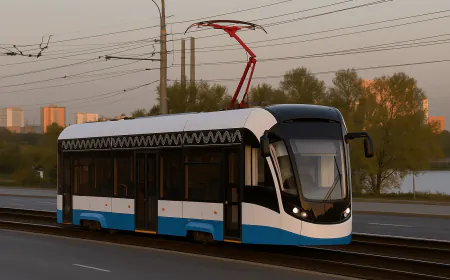
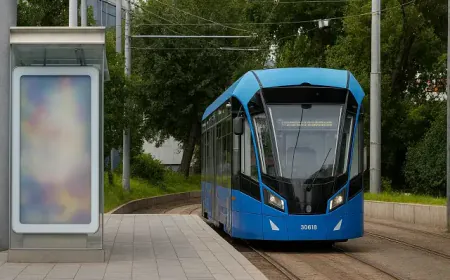
The Al-Ula tramway presents impressive technical specifications that make it one of the Middle East's most advanced transport projects. The first phase includes a 22.4-kilometer line served by 20 ultramodern trams, connecting 17 strategically positioned stations. This infrastructure will connect Al-Ula International Airport to the region's five emblematic historic districts, creating an integrated transport network facilitating access to UNESCO World Heritage sites. The operational objective sets commercial operations beginning in 2027, thus respecting Vision 2030's ambitious timelines.
International Excellence Partnerships
The project benefits from international expertise with Systra (France) as principal consultant, guaranteeing the highest European railway engineering standards. Alstom, French transport giant, was selected in October 2023 to provide rolling stock and systems, bringing its globally recognized expertise in urban mobility solutions.
Vision 2030 and Urban Transformation: Al-Ula at the Heart of Saudi Strategy
Massive Infrastructure Investment
The USD 3.2 billion budget envelope specifically allocated to Al-Ula infrastructure development testifies to Saudi ambition. This amount covers not only the tramway project but also renewable energy production, positioning Al-Ula as a sustainable development model. This investment strategy aligns with Saudi gigaprojects logic, these transformative initiatives redefining the Kingdom's economic and urban landscape. Al-Ula thus joins NEOM, QIDDIYA, and New Riyadh in this race toward urban innovation.
Impact on Saudi Construction Sector
Saudi Arabia's construction sector recorded exceptional growth until 2023, with nearly USD 32.1 billion in awarded contracts. This dynamic illustrates the vitality of national infrastructure projects, even though 2024 marked a strategic slowdown related to gigaproject reprioritization.
Challenges and Innovations: Toward New Financing Models
Financing Strategy Evolution
Public-private partnerships (PPP) emerge as the preferred solution for financing these large-scale projects. This approach attracts international private capital while maintaining public strategic control, creating optimal balance between ambition and financial pragmatism. Companies are now encouraged to propose alternative financing options, fostering innovation in large infrastructure project economic models. This increased flexibility stimulates competitiveness and attractiveness of Saudi tenders in the international market.
Transparency and International Attractiveness
Increased transparency in project presentation constitutes a major asset for attracting foreign investment. This openness facilitates risk assessment by international investors and strengthens Saudi gigaprojects' credibility in global financial markets.
Al-Ula: Emerging Global Tourist Destination
Heritage and Modernity Reconciled
The Al-Ula tramway perfectly embodies the Saudi philosophy of reconciling ancestral heritage with technological modernity. This region, hosting millenary archaeological sites, will benefit from transport infrastructure respectful of its historic environment. Connectivity between the international airport and historic sites will facilitate international tourist access, positioning Al-Ula as an essential Middle Eastern cultural tourism destination. This enhanced accessibility should generate significant economic benefits for the region.
Technological Innovation and Sustainability
Integration of clean transport technologies and renewable energies makes the Al-Ula tramway a pilot project in sustainable mobility. This environmental approach perfectly aligns with Vision 2030's sustainable development objectives.
Economic Perspectives and Regional Impact
Job Creation and Technology Transfer
The project will generate thousands of direct and indirect jobs, contributing significantly to regional economic diversification. Technology transfer associated with international partnerships will strengthen local expertise in railway transport and urban engineering domains.
Local Economy Ripple Effect
The tramway infrastructure will catalyze development of related services: hospitality, restaurants, commerce, tourist services. This economic dynamic will transform Al-Ula into a true regional economic hub, transcending its solely heritage dimension.
Conclusion: Al-Ula, Symbol of Saudi Transformation
The Al-Ula tramway represents much more than a simple transport project: it symbolizes Saudi Arabia's capacity to reconcile technological ambition, heritage respect, and long-term economic vision. This major achievement, planned for 2027, will mark a decisive milestone in the Kingdom's transformation. The integrated approach combining international expertise, advanced technologies, and innovative financing makes this project a model for future Vision 2030 realizations. Al-Ula is thus preparing to become a global showcase of Saudi innovation in sustainable urban development. This anticipated success will strengthen Saudi Arabia's attractiveness as an investment and tourism destination, consolidating its strategic position in the post-oil global economy.
Whats your reaction
 Like
0
Like
0
 Dislike
0
Dislike
0
 Love
0
Love
0
 Funny
0
Funny
0
 Wow
0
Wow
0
 Sad
0
Sad
0
 Angry
0
Angry
0

TrainsNews

Comments (0)