



Spain Awards €391M Contract for Burgos-Vitoria High-Speed Rail Line
Adif AV launches construction of Pancorbo-Ameyugo section (8.4km) for Burgos-Vitoria HSR line. 3 tunnels, 3 viaducts, European TEN-T connection.
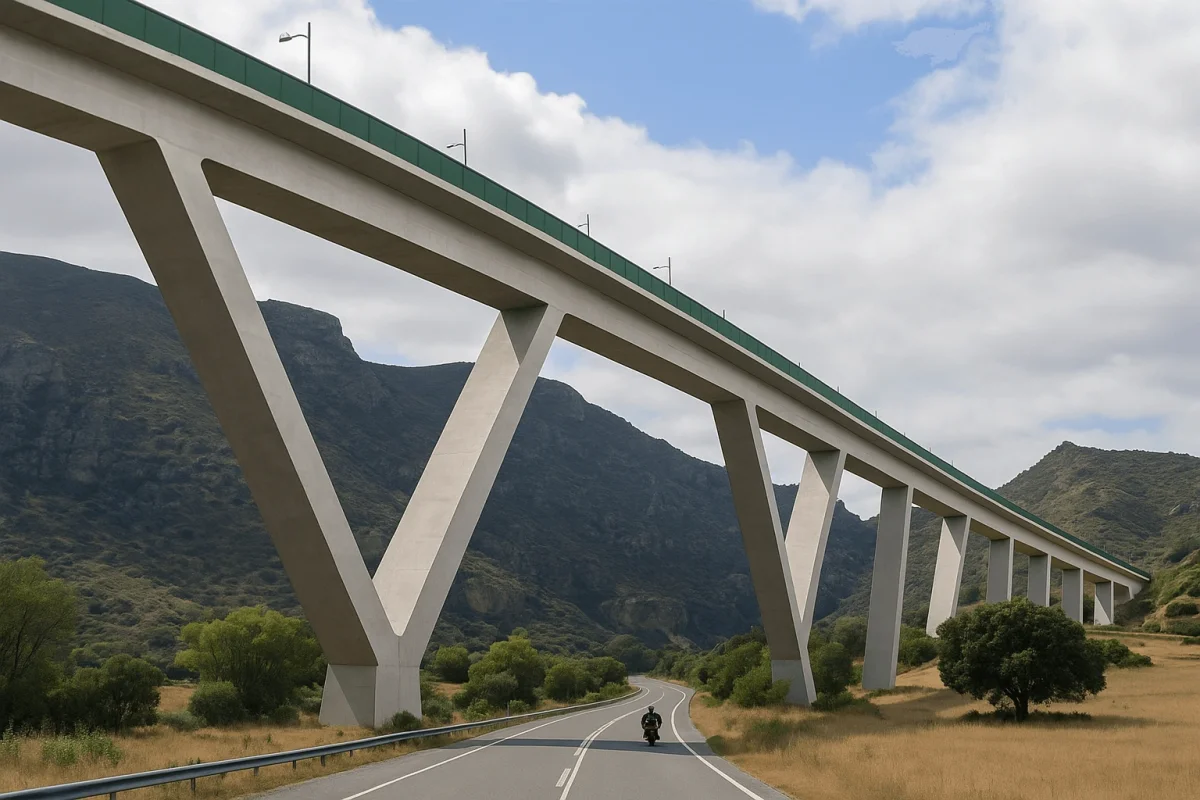
Spain reaches a decisive milestone in its HSR project connecting Madrid to the French border. Adif AV has just awarded a major €391 million contract for the first section of the Burgos-Vitoria line.
€391M Contract for Pancorbo-Ameyugo Section
First 8.4-Kilometer Stretch Launched
Adif AV, Spain's high-speed infrastructure manager, has reached a crucial milestone by awarding a €391 million contract for civil works on the Pancorbo-Ameyugo section. This first 8.4-kilometer portion inaugurates construction of the Burgos-Vitoria HSR line, an essential link in the Madrid-French border connection to Irún.
Although the winning bidder's identity remains undisclosed, this award marks the concrete start of a strategic project for European railway infrastructure.
Major Technical Challenges
The demanding terrain topography imposes exceptional technical constraints. Adif AV specifies that 77% of this section will be built either in tunnel or on viaducts, requiring complex alignment to accommodate a double-track standard gauge line (1435mm).
Pancorbo-Ameyugo Section Infrastructure
Three Strategic Tunnels
Northern Spain's mountainous relief requires construction of three major tunnels:
Technical specifications:
- Pancorbo Tunnel: 4 kilometers (main structure)
- Ameyugo I Tunnel: 611 meters
- Ameyugo II Tunnel: 524 meters
These underground structures represent the bulk of investment and will determine project construction speed.
Three Exceptional Viaducts
Viaduct engineering reveals project complexity:
Main viaduct (1.1km):
- Emerges from Pancorbo tunnel
- Crosses N1 highway, SC-BU-7 road, and La Llosa river
- Central span supported by two distinctive V-shaped piers flanking N1 highway
Secondary viaducts:
- La Mala river viaduct (28 meters)
- N1 highway crossing viaduct
Miranda de Ebro Bypass
The project also includes constructing a single-track section specifically designed to bypass Miranda de Ebro, optimizing new infrastructure's urban integration.
Planning and Future Development
Seven Sections for Global Project
The complete Burgos-Vitoria line has been segmented into seven distinct sections, enabling gradual approach and market optimization:
Sections under study:
- Burgos - Valle de las Navas
- Valle de las Navas - Piérnigas
- Piérnigas - Pancorbo
- Ameyugo - Manzanos and Miranda de Ebro integration
- Manzanos - La Puebla de Arganzón
- La Puebla de Arganzón - Iruña de Oca
Adif AV continues design work for the remaining six sections, ensuring project development continuity.
Strategic Stakes and European Connectivity
Basque Y Project Connection
The Burgos-Vitoria line holds paramount strategic importance for European railway infrastructure. It will connect to the under-construction Basque Y project at Vitoria, creating a coherent HSR network in northern Spain.
This interconnection will enable direct high-speed links between Madrid, the Basque Country, and the French border, transforming regional mobility.
TEN-T Atlantic Corridor
The project is part of the European Union's Trans-European Transport (TEN-T) network Atlantic corridor. This strategic classification makes it eligible for co-funding from the Connecting Europe Facility (CEF).
European benefits:
- Enhanced cross-border connectivity
- Sustainable transport development
- European railway network integration
- Reduced transport carbon emissions
TEN-T network inclusion confirms the project's European importance and its contribution to EU sustainable mobility objectives.
Economic and Territorial Impact
This infrastructure will transform northern Spain's economy by:
- Drastically reducing Madrid-Basque Country travel times
- Promoting regional economic development
- Enhancing tourism attractiveness
- Creating thousands of construction jobs
The Burgos-Vitoria project confirms Spain's commitment to European railway modernization.
Whats your reaction
 Like
0
Like
0
 Dislike
0
Dislike
0
 Love
0
Love
0
 Funny
0
Funny
0
 Wow
0
Wow
0
 Sad
0
Sad
0
 Angry
0
Angry
0

TrainsNews

Comments (0)