



Italy Completes 1,400km ERTMS Installation With €2.5B EU Recovery Fund
RFI completes ERTMS installation on 1,400km funded by €2.5B PNRR. Major Italian rail network modernization toward 2026. Discover the impacts.
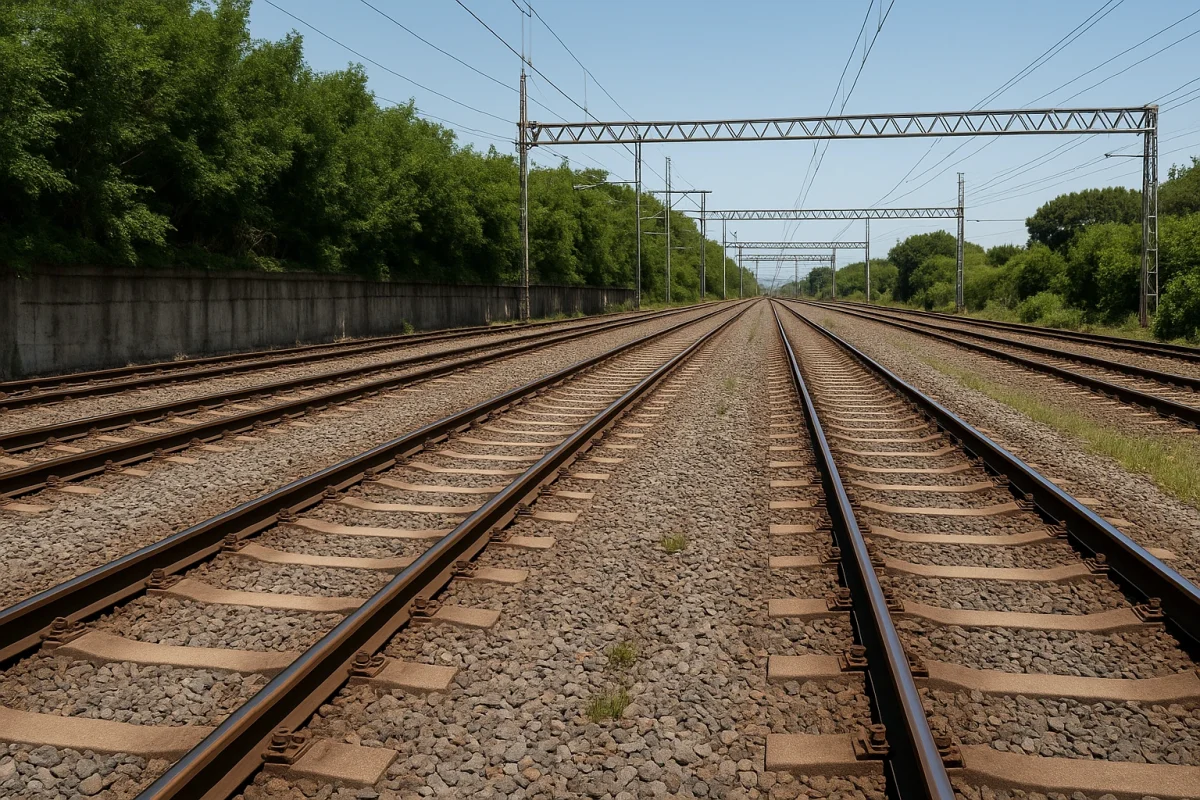
RFI has successfully completed the installation of ERTMS on 1,400 kilometers of Italian rail network, reaching a critical medium-term milestone funded by the €2.5 billion National Recovery and Resilience Plan (PNRR). This achievement marks a significant step toward modernizing Italy's entire rail infrastructure with European safety standards by 2026.
€2.5 Billion PNRR Investment Drives Digital Railway Transformation
The extensive project receives €2.5 billion funding from Italy's National Recovery and Resilience Plan, backed by European Union resources, targeting approximately 2,800 kilometers of network completion by June 2026. This represents one of Europe's largest railway digitalization investments, positioning Italy as a leader in ERTMS deployment.
The funding specifically addresses measure 1.4 of mission M3C1 of the PNRR concerning European Rail Traffic Management System development. Under the PNRR framework, Italy plans to install ERTMS on 3,400km of rail lines by 2026, extending beyond conventional networks to urban rail systems and cross-border corridors throughout the peninsula.
Strategic Partnership With Leading Technology Providers
The latest installation phase involved collaboration between major railway technology companies including Hitachi, Alstom, Mermec, Progress Rail, RFI itself, and Italferr. This multi-contractor approach ensures competitive pricing while leveraging specialized expertise across different network segments.
Previous contracts include a €500 million framework awarded to Hitachi Rail, Alstom Ferroviaria and Ceit in November 2021, covering 700km installation in Sicily and the Lazio, Abruzzo and Umbria regions. The collaborative model demonstrates RFI's commitment to fostering innovation within Italy's rail supply chain.
Network Coverage Expansion Reaches Critical Mass
Before this latest achievement, ERTMS was primarily deployed on Italy's high-speed lines covering approximately 1,200km. The recent completion adds 1,489km across 21 different lines, bringing total coverage to over 2,600km nationwide.
This expansion extends ERTMS benefits beyond high-speed corridors to conventional passenger and freight services. The technology enables higher line capacity, improved punctuality, and reduced maintenance costs compared to traditional signaling systems.
Rome-Florence Line Receives Final ERTMS Upgrade
A specific focus involves completing ERTMS installation on the Rome-Florence high-speed line. Following previous work between Rovezzano and Orvieto, ERTMS activation extends to the remaining 105km reaching Settebagni north of Rome, including crucial connections to the conventional rail network.
This completion eliminates the last non-ERTMS segment on one of Italy's busiest high-speed corridors, enabling seamless operations between Rome and Florence with full European standard signaling integration.
Economic and Operational Benefits Drive Implementation
ERTMS delivers higher performance levels while providing savings on management and maintenance costs compared to traditional signaling systems. These operational improvements justify the substantial upfront investment through long-term cost reductions and increased network efficiency.
The system's standardization across European networks facilitates cross-border train operations, supporting Italy's role in international freight and passenger corridors. This interoperability becomes increasingly valuable as European rail freight markets continue liberalization.
Next Phase Targets Remaining Network Segments
RFI plans continued ERTMS installation on conventional lines, urban rail networks, and cross-border corridors throughout Italy. The ultimate objective involves installing the technology across all 16,800 kilometers of network by 2036, representing complete digitalization of Italian rail infrastructure.
Future phases will prioritize high-traffic conventional lines and strategic freight corridors connecting Italian ports with European hinterlands. This approach maximizes economic benefits while maintaining the 2026 PNRR completion timeline for priority segments.
European Leadership in Railway Digitalization
Italy's ERTMS deployment demonstrates European leadership in railway modernization, setting implementation standards for other member states. The project's success influences European Commission policies promoting standardized signaling across the continent.
The achievement supports broader European Green Deal objectives by improving rail transport efficiency and attractiveness compared to road alternatives. Enhanced rail capacity and reliability directly contribute to modal shift goals within European climate strategies.
Whats your reaction
 Like
0
Like
0
 Dislike
0
Dislike
0
 Love
0
Love
0
 Funny
0
Funny
0
 Wow
0
Wow
0
 Sad
0
Sad
0
 Angry
0
Angry
0

TrainsNews


Comments (0)