
Adamuz crash: rail break logged 22 hours before collision
Spain's Civil Guard confirms the Adamuz rail broke the night before the crash that killed 46. The SAM signalling system recorded an anomaly but triggered no alert.
 TrainsNews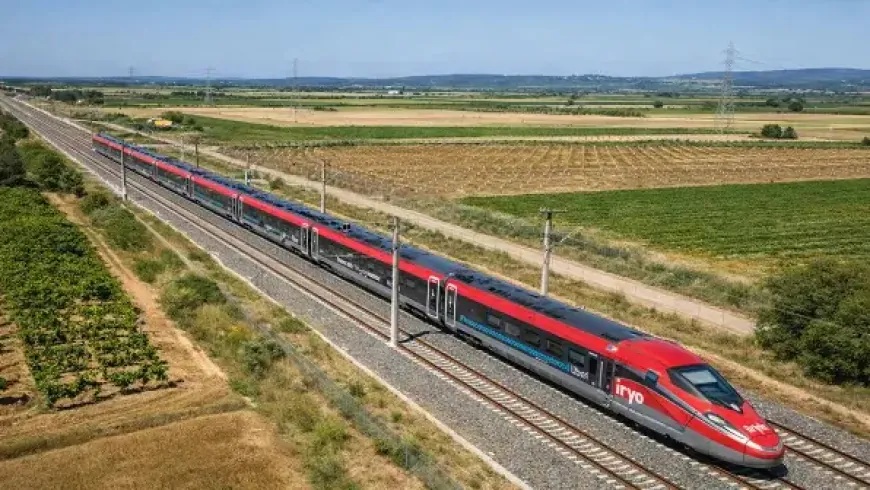
A new Civil Guard report has placed Spain's deadliest high-speed rail accident since 2013 in a deeply troubling light the rail failed the night before the collision that killed 46 people on 18 January 2026.
The Adamuz crash was the first ever collision between two high-speed trains on the Spanish network and one of the deadliest rail accidents in Europe in recent years. If investigators' preliminary findings hold, the disaster was not the result of an instantaneous failure but of a recorded anomaly that went unaddressed for nearly a full day. The implications extend beyond Spain: infrastructure monitoring standards and signalling system design are now under scrutiny across European high-speed networks.
On the evening of 17 January 2026, at 21:46, the SAM signalling system on the Madrid–Seville high-speed line registered an abnormal voltage drop at track kilometre 318+681 a reading consistent with a broken rail. The reading persisted continuously until the accident the following evening at 19:43. Three trains passed over that section in the intervening 22 hours without incident. The Iryo ETR 1000 high-speed service then derailed and struck an oncoming Renfe Alvia travelling in the opposite direction, killing 46 people and injuring more than 150.
The Civil Guard submitted its report to the court in Montoro on 8 April 2026. It concludes that the SAM system, maintained by Hitachi Rail GTS Spain, was not set up to generate an automatic alert for a rail break, on the grounds that the detection method was considered insufficiently reliable for that infrastructure. Critically, the report states that ADIF, the national infrastructure manager, had not required this capability despite its own technical specifications calling for it. Terrorism, sabotage and driver error have all been formally ruled out. Laboratory analysis of the rail and its welds, carried out under the supervision of accident investigation body CIAF, remains ongoing.
Sources: Guardia Civil española, judicial report submitted to the Juzgado de Montoro, 8 April 2026 — CIAF (Comisión de Investigación de Accidentes Ferroviarios), preliminary report, January 2026 — ADIF (Administrador de Infraestructuras Ferroviarias), official statements, January–April 2026 — Euronews / AFP wire, 8 April 2026