
Eurostar Rivals 2029: Trenitalia, Virgin, Gemini, Heuro
End of Eurostar monopoly: Trenitalia, Virgin, Gemini, Heuro launch Paris-London trains by 2029. Lower fares, new services. Full details inside.
 TrainsNews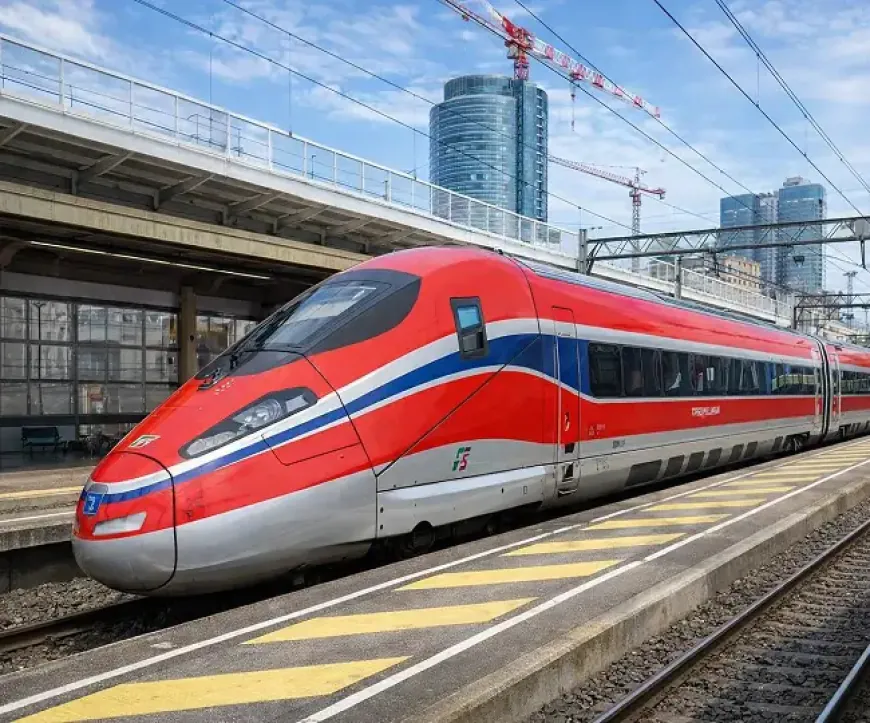
After three decades of unchallenged dominance, Eurostar is preparing to face unprecedented competition. Trenitalia, partnered with Evolyn, Virgin Trains, Gemini, and Heuro are all targeting the Channel Tunnel by 2029-2030, backed by over a billion euros in investment and a promise: finally affordable fares for passengers. But who are these new players, and when will the trains actually run?
Updated on December 31, 2025
Trenitalia and Evolyn: Leading the Pack for 2029
Italian state-owned group Ferrovie dello Stato, through its subsidiary Trenitalia, announced on April 8, 2025, a one-billion-euro investment to launch a Paris-London service by late 2029. In late December 2025, the operator sealed a strategic alliance with US fund Certares, which is injecting 300 million euros into a joint venture.
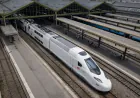
Trenitalia is partnering with Spanish consortium Evolyn, owned by the Cosmen family and already active in British transport via Mobico Group. Together, they plan 10 daily return trips between the two capitals, using trains inspired by the Frecciarossa 1000 — renowned for four comfort classes, energy efficiency, and "Made in Italy" service quality.
"This investment represents a decisive step forward in the FS Group's vision of building a more integrated, competitive, and sustainable European rail network," said Stefano Antonio Donnarumma, FS Group CEO.
To maintain its trains in London, Trenitalia plans to build a maintenance center near Paris, avoiding returns to Milan. The project is progressing alongside technical and infrastructure approvals.
Why Will Competition Drive Fares Down?
The Italian example is striking. After Italo's entry in 2012, fares dropped 31% and demand surged 12% annually, per a European Commission study (September 2024). In Spain, competition between Renfe, Ouigo, and Iryo cut prices by 43% on the Madrid-Barcelona route.
In France, Trenitalia's arrival on Paris-Lyon led to a 7-10% average fare reduction between 2021 and 2022, according to Trainline data.
Currently, Eurostar fares are estimated at twice the European average by NGO Transport and Environment. Competition will force the incumbent operator to revise its pricing strategy to retain its 19.5 million annual passengers (2024).
"Competition will bring passengers more choice, lower fares, and new destinations," said Robert Sinclair, CEO of London St Pancras Highspeed, the British operator of the HS1 line.
Technical and Infrastructure Challenges
The Temple Mills bottleneck remains the primary obstacle. This depot, the UK's only facility equipped for cross-Channel trains, has limited capacity. According to the Ipex report commissioned by the ORR in June 2025, operational and infrastructure adjustments would be needed to accommodate a single new entrant — or to allow Eurostar to expand its fleet.
Virgin gained access in October 2025 but must still negotiate a commercial agreement with Eurostar, which operates the site, and obtain safety licenses from the ORR and French authorities.
Border controls also pose challenges. Funding for border control infrastructure at Stratford, Ebbsfleet, or Ashford International remains to be secured. These Kent stations are pushing hard to restore international services after years of abandonment.
Finally, French track access charges — Europe's highest (€18 per train-kilometer, versus €7 in Spain and €3.5 in Italy) — weigh heavily on new entrants' profitability.
Beyond Paris-London: New Destinations
Opening the Channel Tunnel could redraw Europe's rail map. Trenitalia is studying London-Lyon, London-Marseille, and even London-Milan routes in under seven hours, leveraging its Milan depots and international service experience.
Gemini Trains aims to connect Manchester to Marseille, Birmingham to Brussels, and Peterborough to Paris, expanding the offer beyond London.
Getlink, owner of Eurotunnel, is pushing to reduce "time to market" from ten to five years for destinations like Cologne, Frankfurt, Geneva, or Zurich. The tunnel, currently handling 400 trains daily, could accommodate 1,000, according to Yann Leriche, Getlink CEO.
What Changes for Passengers
New operators' arrival will transform the passenger experience in several ways:
Fares: A 10-30% drop is likely, aligning cross-Channel fares with European standards. Low-cost and business offers will multiply.
Frequency: The 10-20 additional daily services announced by Trenitalia and Virgin will double current supply.
Destinations: Kent stations, Lyon, Marseille, Milan, and Central European capitals will become directly accessible from London.
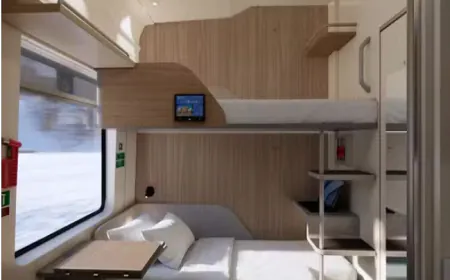
Service quality: Trenitalia promises four classes (Standard, Business, Executive, Premium), Silenzio and Allegro spaces, and at-seat catering. Virgin banks on its proven "customer-first" approach.
Alternative to air: Modal shift from air to rail could reach 25-50%, per London St Pancras Highspeed studies, reducing cross-Channel travel's carbon footprint.
A New Era for European Rail
Competition's arrival in the Channel Tunnel marks the beginning of an era of more integrated, competitive, and sustainable mobility. For travelers, it means more choice, better services, and above all, affordable fares.
Opening the Channel Tunnel to competition is akin to the arrival of low-cost airlines in the 1990s: a system once reserved for an elite or limited by a monopoly becomes a bridge accessible to all, transforming travel into a simple everyday formality.
It remains to be seen who — Trenitalia, Virgin, Gemini, or Heuro — will cross the finish line first in 2029.